
This article provides general information and does not replace an individual dental or implant assessment. Whether bone grafting is appropriate, the technique or material used, possible risks, healing time, alternatives and overall treatment cost depend on your clinical circumstances.
If you have been told that you may need extra bone before a dental implant, you may be wondering what a dental bone graft is and why it has been recommended. A dental bone graft is a procedure used to increase or rebuild bone in part of the jaw where there is not enough suitable bone for the planned treatment.
It is often considered during dental implant planning, but not every implant case requires grafting. A graft is considered when the available bone is not suitable for the proposed implant position or treatment plan.
What does a dental bone graft do?
A bone graft adds material to an area of the jaw where additional bone volume is required.
The graft material can come from your own body, a human donor source, an animal source or a synthetic material. Depending on the material, it may provide a framework for new bone formation or contribute biological components that support healing.
The Association of Dental Implantology’s guidance on grafting materials explains the different sources of graft material and how they may be used.
For implant treatment, the important question is whether there is enough suitable bone in the correct position to support the planned implant.
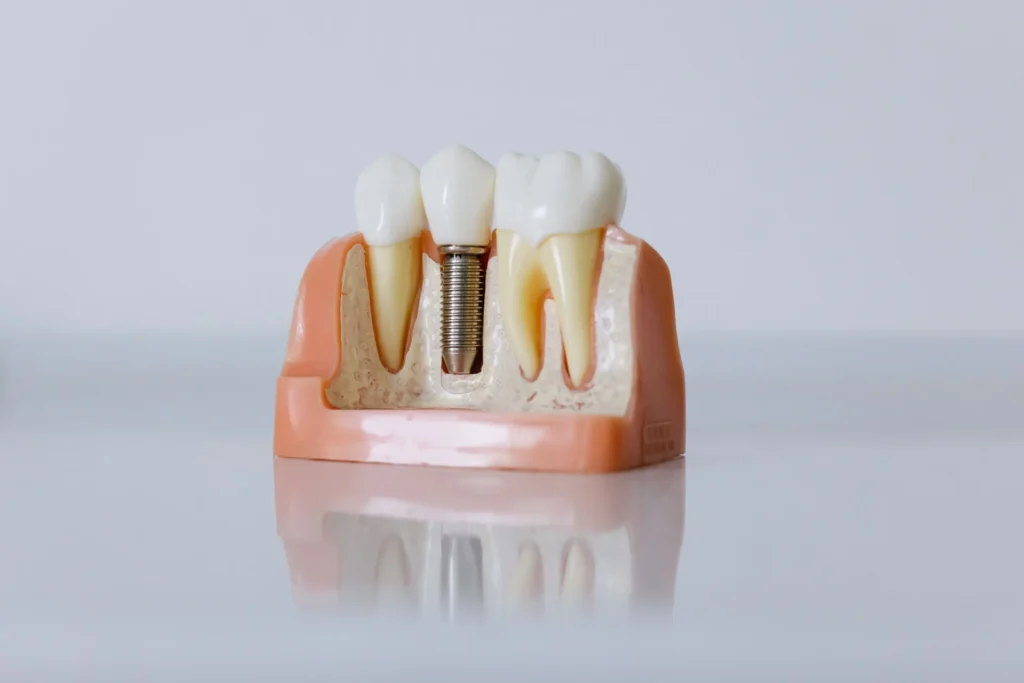
Why might there not be enough bone for an implant?
The amount of jawbone available for an implant can be affected by previous tooth loss, disease, trauma and local anatomy.
Possible reasons include:
- previous tooth loss or extraction
- bone loss associated with gum disease
- infection around a tooth
- dental trauma
- naturally narrow or limited jawbone dimensions
- nearby anatomical structures that restrict the available space
After a tooth is lost or removed, changes can occur in the bone that previously supported it. The degree of change varies between people and between different areas of the mouth.
The British Association of Oral Surgeons’ patient information on dental implants explains that some people may not have enough suitable bone to support an implant following tooth loss or extraction. In those circumstances, grafting or another treatment approach may be discussed.
When could bone grafting be considered?
Bone grafting becomes relevant when an assessment shows that the existing bone may not be sufficient for the planned implant position.
| Clinical situation | Why grafting may be discussed |
| Reduced bone width | Additional width may be required around the proposed implant |
| Reduced bone height | More bone may be needed before appropriate implant placement |
| Bone changes following extraction | Grafting may be considered to preserve or rebuild the ridge |
| Limited bone below the upper sinus | A sinus augmentation may be considered in selected cases |
| Larger bone defect | More extensive augmentation may be required before implant placement |
There is no single measurement that determines whether every patient needs a graft. The proposed implant position, neighbouring teeth, bite, available bone and nearby anatomical structures all need to be considered together.
Where does dental bone graft material come from?
A bone graft does not always involve taking bone from another part of your body.
Your own bone
An autograft uses bone taken from another area of your body, sometimes from elsewhere in the mouth.
Because this creates an additional donor site, treatment may be more involved than when a substitute material is used.
Human donor material
An allograft uses processed human donor bone prepared for clinical use.
This can avoid the need to harvest bone from another part of your own body.
Animal-derived material
A xenograft uses processed material derived from an animal source.
Depending on the material, it can provide a framework that supports bone formation as healing progresses.
Synthetic material
Synthetic, or alloplastic, graft materials are manufactured rather than sourced from human or animal tissue.
The choice of graft depends on the defect, treatment technique and individual clinical circumstances.
If the origin of the material matters to you for personal, cultural, ethical or religious reasons, ask what is being proposed before consenting to treatment.
Is bone grafting done before or during implant placement?
In selected cases, grafting and implant placement may be carried out at the same appointment.
In other cases, the graft needs a separate healing period before implant placement is considered. Which approach is appropriate depends on factors such as the amount and location of the bone deficiency, the stability that can be achieved and the wider treatment plan.
Whether treatment is staged may affect the overall timescale and cost, so this should be clarified as part of your individual treatment plan.
What happens during a dental bone graft?
The procedure varies according to the size and location of the bone defect and the grafting technique selected.
Implant planning combines clinical examination with diagnostic imaging where clinically indicated. This helps the clinician assess the available bone, nearby anatomical structures and whether additional procedures such as grafting need to be considered.
The Association of Dental Implantology’s implant-planning guidance explains that assessment should establish whether sufficient hard and soft tissue is present for the planned implant or whether additional procedures may be required.
During grafting, the treatment area is accessed, and the selected material is placed where additional bone is needed. Some procedures may also use a membrane to protect or stabilise the grafted area during healing.
Before treatment, you should understand:
- why grafting has been recommended
- what graft material is proposed
- whether grafting and implant placement will happen together
- the likely effect on treatment time
- the important risks and reasonable alternatives
- how the graft may affect the overall treatment cost
The General Dental Council’s standards on consent require dental professionals to explain relevant treatment options, potential risks and benefits, and possible costs before treatment begins.
How long does a dental bone graft take to heal?
Healing time varies substantially between a small graft placed alongside an implant and a larger graft performed as a separate procedure.
The timetable can be affected by:
- the size and location of the graft
- the grafting technique and material
- your oral and general health
- whether an implant is placed at the same time
- individual factors that influence wound and bone healing
For that reason, an online estimate cannot reliably predict your own healing time. Your clinician should explain the expected sequence once the proposed procedure is known.
What can you expect after a bone graft?
Temporary soreness, swelling, bleeding or bruising can occur after oral implant surgery, although the pattern after grafting depends on the procedure performed.
The amount of discomfort can also be influenced by the extent of treatment and whether your own bone has been taken from another site.
Aftercare should be tailored to the procedure you have had. If grafting forms part of a wider implant plan, our guide to pain and recovery after dental implant surgery explains some of the broader recovery considerations.
Follow the aftercare instructions provided for your procedure. If symptoms worsen, do not improve as expected or cause concern, contact the dental professional responsible for your care.
What are the possible risks?
As with other surgical procedures, bone grafting has potential complications. These vary according to the graft material, augmentation technique, treatment site and individual health factors.
Possible complications can include:
- pain, swelling or bruising
- bleeding
- infection
- delayed healing
- exposure or loss of graft material
- the graft not integrating as intended
- additional discomfort at a donor site if your own bone is used
Some procedures have additional site-specific considerations, particularly when treatment is close to structures such as the sinus or nerves.
The relevant risks depend on the proposed procedure and should be discussed as part of the consent process before treatment.
What if you do not want or cannot have bone grafting?
Bone grafting is one possible part of implant treatment, not the only way to replace a missing tooth or teeth.
Depending on your circumstances, alternatives may include a bridge, denture or a different implant approach. Which options are suitable depends on the number and position of missing teeth, oral health and other clinical factors.
Our guide to replacing missing teeth without implants explains some of the non-implant treatments that may be discussed.
Before deciding on grafting, you should understand the reasonable alternatives and how they differ from the proposed implant plan.
How is the need for a bone graft confirmed?
You cannot reliably determine whether there is enough bone simply by looking at the gum.
Implant planning involves examining the mouth and assessing the proposed treatment site. Diagnostic imaging may then be used where clinically indicated to evaluate the available bone and nearby anatomical structures.
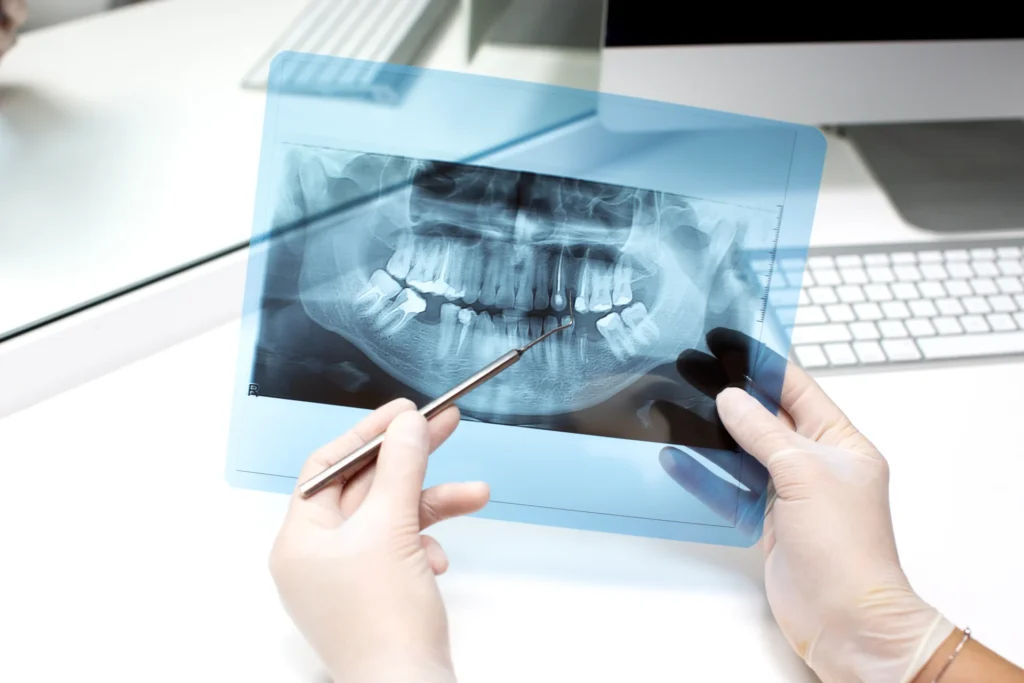
The question is not simply whether some bone has been lost. It is whether the remaining bone is appropriate for the specific implant position and treatment being considered.
If grafting is recommended, ask your clinician to explain what the assessment has shown, why additional bone is considered necessary and whether reasonable alternatives are available.
What bone grafting means for your implant plan
Being told that you may need a graft does not mean there is a problem with implant treatment. It means the amount and position of the available bone need to be considered carefully before an implant is placed.
Some people need no graft. Others may require augmentation alongside implant placement, while a larger bone deficiency can involve a separate procedure and healing period.
At Muse Dental, implant planning begins with assessing whether implant treatment is appropriate for you, including the condition of the proposed implant site and whether there is sufficient bone for the planned treatment.
If you are considering replacing a missing tooth, our dental implant treatment page explains the wider implant process. You can then arrange an assessment with us to discuss whether implant treatment may be suitable, what the proposed plan would involve and whether any additional procedures need to be considered before you decide how to proceed.