
If you would like a brighter smile but already wince at cold drinks or sweet foods, you may be wondering: can you whiten sensitive teeth without making the problem worse?
Sensitive teeth do not automatically rule out whitening, but whether treatment is appropriate depends on the cause of the sensitivity and the health of your teeth and gums.
Before whitening, the important question is not simply whether your teeth are sensitive, but what is causing the sensitivity. Whitening should never take priority over a dental problem that needs attention.
Why do teeth become sensitive?
Tooth sensitivity typically feels like a short, sharp sensation when a tooth is exposed to something cold, hot, sweet, or acidic.
Underneath the protective enamel is a layer called dentine. Dentine contains microscopic channels that lead towards the nerve inside the tooth. When enamel becomes thinner, or dentine is exposed, these channels can respond more readily to changes in temperature and other triggers.
Possible causes include:
- Gum recession that exposes part of the tooth root
- Enamel wear or erosion
- Brushing too firmly
- Frequent consumption of acidic food and drink
- Tooth grinding or clenching
- Gum disease
- Tooth decay
- Cracked or damaged teeth
- Recent dental treatment
- Previous or ongoing whitening
If sensitivity appears suddenly, is particularly strong, or seems to affect one tooth more than the others, it is worth having the cause checked before starting cosmetic treatment.
Our guide to whether teeth whitening is safe explains why assessing the condition of your teeth and gums is an important first step.
Can you whiten sensitive teeth if they are healthy?
Whitening may still be possible if you have sensitive teeth, provided a dentist has assessed your mouth and confirmed that treatment is appropriate.
Temporary sensitivity is a recognised side effect of whitening. The Oral Health Foundation guidance on tooth whitening notes that temporary sensitivity, particularly to cold, can occur following whitening treatment.
That does not mean whitening is necessarily harming the tooth whenever you experience a twinge. However, existing sensitivity makes it especially important to identify any underlying cause and plan treatment carefully.
| What we find | How whitening may be approached | Why it matters |
| Mild occasional sensitivity and healthy teeth | May be considered after assessment | Existing sensitivity still needs to be taken into account |
| Gum recession or exposed dentine | Requires individual assessment | Sensitive areas may need additional management |
| Untreated decay | Whitening is generally deferred | The affected tooth should be assessed and treated first |
| Active gum disease | Whitening is generally deferred | Gum health should be addressed before cosmetic treatment |
| Cracked tooth or unexplained pain | Whitening should wait until assessed | The source of the symptoms needs to be identified |
| Crowns, veneers or fillings | May still be possible | Restorations do not whiten like natural teeth |
Whitening should not be used to cover up symptoms. If there is a dental problem behind the sensitivity, addressing it comes first.
Why can whitening make teeth more sensitive?
Professional whitening commonly uses peroxide-based whitening agents that act on coloured compounds within the tooth, making the teeth appear lighter.
You can read more about the science behind the process in our guide to how teeth whitening works.
Some people experience a temporary response from the nerve inside the tooth during or after whitening. This can result in brief periods of sensitivity.
How noticeable this feels varies from one person to another and may be affected by:
- How sensitive your teeth were before treatment
- The whitening product and concentration used
- How frequently whitening is carried out
- How long the whitening gel remains on the teeth
- Your individual response to treatment
Sensitivity following whitening is commonly temporary, although persistent, severe or unusual discomfort should be assessed.
How can whitening be made more comfortable?
Whitening schedules can vary according to the system being used and how your teeth respond. If you already have sensitive teeth, treatment may need to be approached more cautiously.
1. Identify the reason for the sensitivity
Before whitening begins, your teeth, gums and existing dental work should be assessed.
If sensitivity is caused by decay, gum problems, a damaged tooth or another dental condition, that issue may need to be addressed before cosmetic treatment starts.
The General Dental Council guidance on tooth whitening explains that professional whitening should follow an appropriate clinical assessment by a registered dentist and be carried out on a dentist’s prescription.
For someone who already experiences sensitivity, that assessment is particularly important.
2. Choose professionally supervised whitening
With dentist-prescribed whitening, your teeth and gums can be assessed before treatment, and the plan reviewed if sensitivity develops.
At Muse Dental, our professional teeth whitening service offers in-surgery whitening and custom take-home trays, with suitability assessed before treatment.
If sensitivity has made you unsure about whitening, the service page explains the professional options available and what the treatment process involves.
3. Let your dentist review the whitening schedule if sensitivity develops
Faster is not always better.
If sensitivity develops, a dentist may advise adjusting the treatment schedule depending on the whitening system, your symptoms, and how your teeth are responding.
This may involve reviewing how frequently whitening is carried out or how long the gel is used, but any changes should follow the instructions given for your treatment.
Adding extra gel, extending application times, or whitening more frequently in an attempt to speed up the result is not recommended.
If sensitivity becomes uncomfortable, the treatment plan should be reviewed rather than simply pushing through the discomfort.
4. Consider products designed for sensitivity
Products designed for sensitive teeth may sometimes be useful before or during whitening.
Ingredients such as potassium nitrate and fluoride compounds are commonly found in desensitising toothpastes and other products.
A 2024 systematic review of desensitising toothpastes used alongside whitening found that they may reduce whitening-related sensitivity under some treatment protocols, although the effect was not consistent across every whitening regimen.
This is an important distinction. A product that helps under one whitening protocol will not necessarily prevent sensitivity in every situation.
A dental professional may recommend an appropriate desensitising product where suitable, depending on your teeth, symptoms and whitening plan.
5. Treat sensitive teeth gently
Everyday habits also matter while you are whitening.

You may find it helpful to:
- Brush gently with a soft toothbrush
- Continue using fluoride toothpaste
- Avoid scrubbing aggressively around the gumline
- Reduce very hot or cold foods if they trigger sensitivity
- Limit frequent acidic drinks and snacks
- Use only the recommended amount of whitening gel
- Follow the advised whitening schedule
- Seek dental advice if discomfort becomes persistent or painful
Food and drink can influence both sensitivity and tooth colour. Our article on what stains the teeth looks at some of the everyday factors that can change the appearance of your smile.
Are shop-bought whitening kits a good idea for sensitive teeth?
If you already have sensitive teeth, choosing a whitening product simply because the packaging describes it as “gentle” does not tell you whether it is suitable for your mouth.
The bigger question is why your teeth are sensitive.
Without a dental assessment, you may not know whether the discomfort is caused by exposed dentine, gum recession, decay, a crack, or another problem that needs treatment.
Professional supervision also gives you access to clinical advice if sensitivity develops or does not settle as expected.
The aim should not be to use the strongest whitening product you can find. It should be to achieve an appropriate improvement while protecting the health of your teeth and gums.
What should you do if sensitivity develops during whitening?
Temporary sensitivity can occur during whitening, but if it is troublesome, persistent, or severe, treatment should be reviewed before continuing.
How the symptoms are managed will depend on the whitening system and what your dentist finds.
Depending on the circumstances, a dentist may recommend:
- Pausing whitening temporarily
- Changing the interval between applications
- Reviewing how much whitening gel is being used
- Using an appropriate desensitising product where suitable
- Checking how whitening trays are fitting and being worn
- Reassessing the teeth if symptoms persist
Pain that is severe, spontaneous, localized to one tooth, or that continues after whitening has stopped should be assessed rather than treated as a routine whitening side effect.
Will sensitive teeth still whiten effectively?
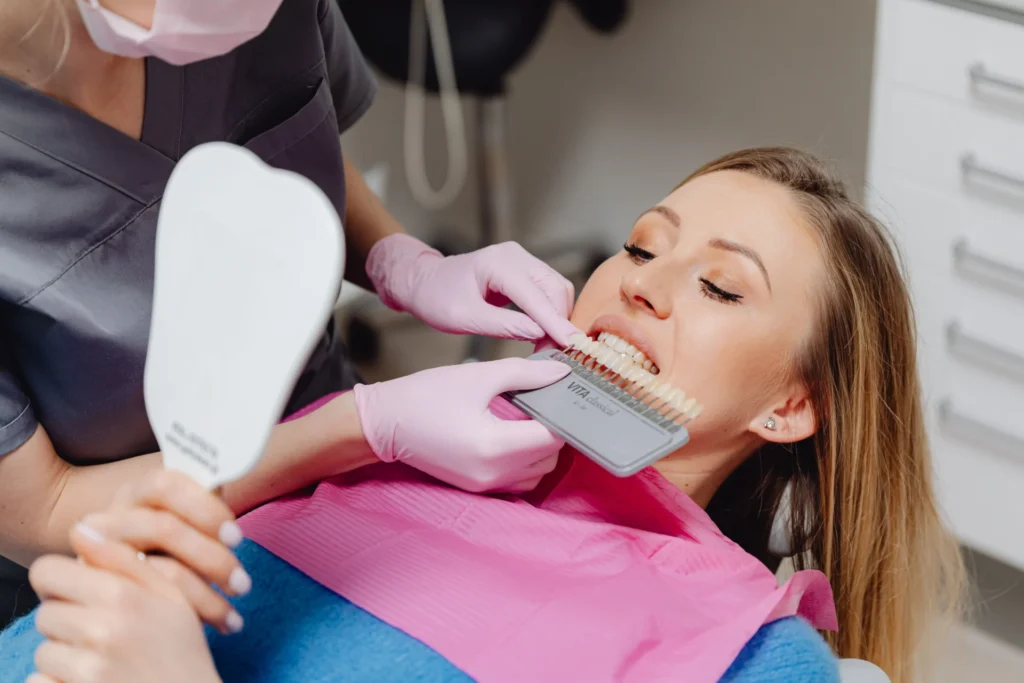
Having sensitive teeth does not automatically mean your teeth will respond poorly to whitening.
The final change depends more on your natural tooth colour, the type and cause of the discolouration, and how your teeth respond to treatment.
Existing crowns, veneers and fillings also need to be considered before whitening because their colour will not lighten alongside natural teeth.
For that reason, whitening suitability involves more than choosing a target shade. The existing condition and appearance of the whole smile need to be taken into account.
A brighter smile should still feel comfortable
So, can you whiten sensitive teeth safely? Whitening may be possible, but finding out why your teeth are sensitive should come first.
If your teeth and gums are healthy, whitening may still be appropriate with sensitivity taken into account. If an underlying dental problem is causing the discomfort, that issue should be addressed before cosmetic treatment proceeds.
At Muse Dental, we assess your oral health and existing dental work before recommending whitening treatment.
If you are considering a brighter smile but sensitivity has been holding you back, the professional whitening service page explains the treatment options available and how suitability is assessed.
Because a brighter smile is lovely. A brighter smile that still lets you enjoy an ice-cold drink comfortably is even better.
This article provides general information and is not a substitute for personalised dental advice, diagnosis or treatment. Whether teeth whitening is suitable for you depends on your oral health, existing dental work and the cause and severity of any sensitivity. If you experience persistent, severe or unexplained tooth pain or sensitivity, seek advice from a dental professional.