
This guide explains the main non-implant options, who they suit, what treatment involves and how to look after the results, so you can make a clear, confident choice.
Why replace a missing tooth
A small gap can set off bigger changes over time. Neighbouring teeth may drift, your bite can shift, and remaining teeth take more load. Chewing tougher foods becomes awkward, and some sounds are harder to pronounce. Gums and the ridge under the gap can also change shape, which affects denture fit and facial support. For a plain-English overview of recognised choices, the NHS guide to dental treatments and the page on dentures are helpful starting points.
Your main non-implant options
Fixed dental bridges
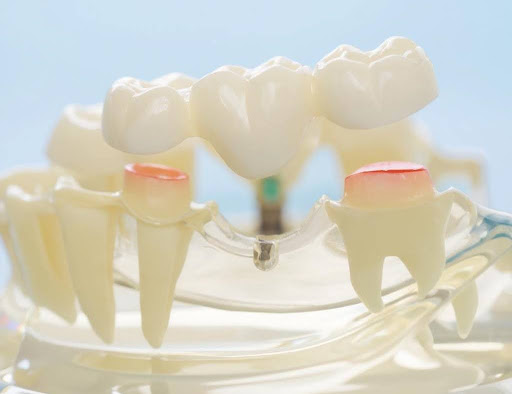
A bridge joins a false tooth to the teeth beside the gap, creating a fixed solution that looks and feels natural. If you would like a patient-friendly explainer, Leeds Teaching Hospitals provides a clear summary of bridges.
Types of bridges
- Conventional bridge, the teeth on either side are shaped for crowns that support the false tooth
- Cantilever bridge, supported from one side in carefully selected cases
- Resin-bonded or Maryland bridge, a metal or ceramic wing bonds to the back of an adjacent tooth with minimal shaping
Best for
One or two missing teeth with strong neighbours and healthy gums.
Why do people choose it
Fixed in place, natural feel, shade matched to blend with your smile.
Points to weigh
Conventional designs often need more tooth preparation. Resin-bonded bridges are conservative but depend on bite forces and enamel quality.
Considering a fixed option and a wider oral health plan? Explore our approach to family care in general dentistry.
Removable partial dentures
Common designs
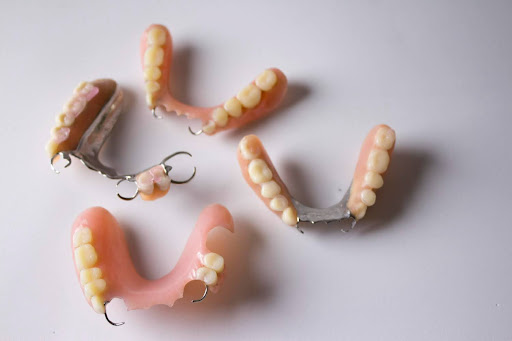
- Acrylic partials, friendly to budgets and simple to adjust
- Cobalt-chrome frameworks, slim and strong for steady long-term wear
- Flexible nylon partials, comfortable with discreet clasps
Best for
Several missing teeth or when the adjacent teeth are not suitable to support a bridge.
Why do people choose it
Cost-effective, quick to make, and easy to add a tooth later if your situation changes.
Points to weigh
Daily removal and careful cleaning are essential. Some designs cover more palate or gum for stability. For everyday routines, see NICE advice on daily mouth care for adults.
Orthodontic space closure
In selected cases, teeth can be moved with braces or clear aligners to close a gap or redistribute space. This avoids a prosthetic tooth altogether.
Best for
Small to moderate gaps, for example, missing upper lateral incisors, provided the bite and facial balance will remain healthy.
Why do people choose it
You improve alignment and smile symmetry while solving the gap.
Points to weigh
Takes time and careful planning, and not every gap can or should be closed. Read more about options for teeth straightening.
Composite bonding and reshaping
To close small gaps or harmonise tooth widths after orthodontics, tooth-coloured composite can be artistically layered on neighbouring teeth.
Best for
Small to moderate spaces, uneven edges, and minor shape corrections.
Why do people choose it
Conservative, usually no drilling, immediate results and fully reversible.
Points to weigh
Composite can wear and pick up stains over time, so occasional polishing or refreshing keeps it at its best. For single-visit refinements, see our composite bonding page. If you are exploring a joined-up plan that blends bonding with tooth movement or a conservative bridge, you can learn more about combined treatment options on our smile makeover page and book an assessment to discuss what suits you.
Side-by-side comparison
| Option | What it is | Best for | Advantages | Considerations | Typical longevity* |
| Conventional bridge | Crowns on neighbours carry a fixed false tooth | One back or front tooth with strong supports | Fixed, natural look and feel, quick functional result | Requires more tooth preparation | 10 years or more with good care |
| Resin-bonded bridge | Wing bonded to the back of the adjacent tooth | Single front tooth gap with healthy enamel | Minimally invasive, aesthetic | Risk of debond in heavy bites, case selection is important | About 5 to 10 years, often repairable |
| Partial denture, acrylic | Removable plate with replacement teeth | Multiple gaps, budget-friendly plans | Adaptable, quick to produce | Bulkier, daily removal and hygiene are essential | About 3 to 5 years, varies |
| Partial denture, cobalt-chrome | Slim metal framework with teeth | Multiple gaps, long-term stability | Thin, strong, comfortable | Higher upfront cost, clips may be slightly visible | 5 to 10 years or more |
| Flexible partial | Nylon-type removable denture | Comfort and discreet clasps | Gentle on tissues, blends with gum shade | Harder to adjust or repair, may stain | 3 to 5 years or more |
| Orthodontic closure | Braces or aligners move teeth to close the space | Selected gaps with a suitable bite | No prosthetic, alignment benefits | Time investment, retainers required | Long-term if retained |
| Composite bonding | Tooth-coloured additions reshape space | Small to moderate gaps, front teeth | Conservative, immediate | Maintenance and polishing over time | 3 to 7 years or more |
*Longevity depends on bite forces, home care and regular reviews.
What treatment involves
1) Assessment and planning
Your dentist will check your teeth and gums, take photographs and scans, and discuss your goals. For bridges and dentures, impressions or digital scans help design the fit and shape. For orthodontics, you will see a preview of the planned movements and a retainer plan.
2) Preparing your mouth
Any gum inflammation, decay or worn fillings are treated first. Sound foundations help every option last.
3) Try-ins and adjustments
- Bridges, a temporary may be fitted while the lab crafts your final bridge, the fit and bite are refined at the appointment
- Dentures, a wax try-in confirms tooth position and smile before the final version is made
- Orthodontics and bonding, staged aligners, or a mock-up let you preview the result
4) Fitting and review
Expect fine-tuning of bite and speech. You will be shown how to clean around your new restoration, and a review is arranged to ensure everything settles well. For everyday care tips, the Oral Health Foundation’s denture advice is practical and easy to follow.
Caring for your new smile
- Clean thoroughly, interdental brushes, floss or super-floss for bridges, remove and brush dentures daily, keep aligners fresh as directed
- Build up your diet, start with softer foods while you adapt, then return to your normal choices
- Protect your work. If you clench or grind, ask about a night guard to shield bridges and bonding
- Keep regular reviews, six-monthly hygiene and check-ups help spot early wear, our team will tailor advice to your mouth
How to choose your route
Use this quick checklist to make sense of the options:
- How many teeth are missing and where
- Single front tooth with healthy neighbours, resin-bonded bridge or orthodontic space closure are often considered first
- Single back tooth with good supports, a conventional bridge can restore chewing quickly
- Several gaps, a well-designed partial denture may be the practical long-term choice
- Condition of supporting teeth
- Teeth that already need crowns may suit a conventional bridge
- Pristine neighbours favour resin-bonded designs or tooth movement to preserve enamel
- Fixed versus removable
- Fixed options feel more like natural teeth day to day
- Removable designs are versatile and easier to modify if your mouth changes
- Your maintenance preferences
- Are you comfortable removing and cleaning a denture each day
- Would you prefer fixed cleaning routines around a bridge and retainers after straightening
Final thoughts
You can restore a complete smile without implants. Bridges provide a fixed, natural feel. Partial dentures suit multiple gaps. Orthodontic closure and careful bonding preserve tooth structure. Start with a thorough assessment and choose the plan that protects your teeth, fits your routine and looks the part.