
This article is for general information only and should not replace advice from your dentist. If you are considering whitening, have sensitivity, gum problems, dental restorations, or uneven staining, a dental professional can check what is suitable for you.
Freshly whitened teeth can make your whole smile feel brighter, cleaner and more polished. Then the first coffee appears. Or the curry night invitation lands. Or someone pours red wine, and suddenly your teeth feel like they are facing their first real test.
If you are wondering what stains the teeth the most after whitening, the short answer is dark, acidic and tannin-rich foods and drinks. Smoking, plaque build-up and poor aftercare can also make stains return sooner.
The good news is that whitening results are not ruined by one sip of tea. You do not need to live on plain pasta and water forever, which is a relief for everyone involved. But the first couple of days after treatment do matter, and your everyday habits can affect how bright your smile stays.
Why Teeth Can Stain More Easily After Whitening
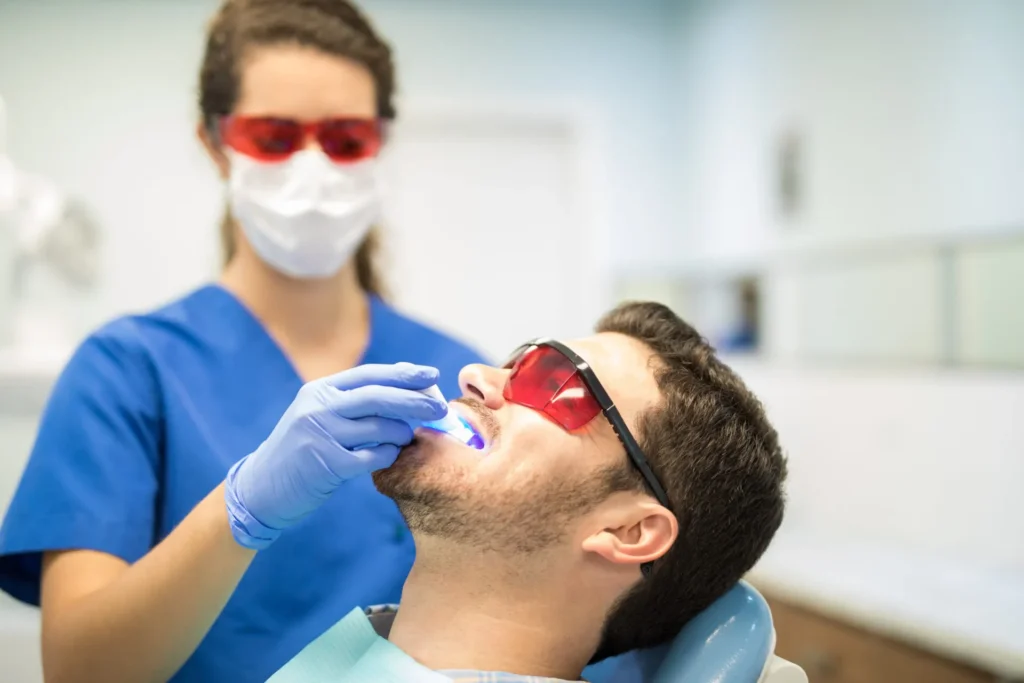
Professional teeth whitening uses whitening gel to help brighten the natural tooth shade, although results vary depending on the type of staining, your dental health and any existing dental work. If you are still comparing options, our guide on how teeth whitening works explains the process in more detail.
After whitening, your teeth may be more likely to pick up surface staining for a short period, especially if they are exposed to strong colours, acids and frequent sipping or snacking. This is why your dentist may advise you to be more careful with food and drink for the first 24 to 48 hours after treatment.
It is also worth remembering that whitening only works on natural tooth structure. Fillings, crowns, veneers and bonding will not whiten in the same way. If these are visible when you smile, we can talk you through what is realistic before treatment begins.
For safety, whitening should be dentist-led. The General Dental Council explains that tooth whitening can only be provided by registered dental professionals, which is why proper assessment and aftercare matter.
The Biggest Teeth-Staining Drinks After Whitening
Drinks are often the main issue because they wash over the teeth and can be sipped slowly throughout the day. The longer your teeth are exposed, the more chance pigments have to cling to the surface.
| Drink | Why it can stain | Better aftercare habit |
| Coffee | Dark pigments and acidity can contribute to staining | Drink with food and rinse with water |
| Tea | Contains tannins, which can encourage staining | Avoid sipping slowly for hours |
| Red wine | Deep colour, tannins and acidity make it a higher staining risk | Keep it occasional, soon after whitening |
| Cola and dark fizzy drinks | Colouring, sugar and acidity can affect enamel | Limit frequency |
| Dark fruit juices | Strong pigments and natural acids can cling to teeth | Choose lighter drinks early on |
Coffee and Tea
Coffee and tea are everyday favourites, but they are also two of the most common causes of dental staining. Black coffee and strong tea are more likely to leave visible marks over time.
If you do not want to give them up, the key is frequency. One coffee with breakfast is very different from nursing three coffees across a whole morning. Your teeth generally cope better with occasional exposure than constant sipping throughout the day.
The Oral Health Foundation notes that tea, coffee, red wine, blackcurrant and smoking can all contribute to surface staining in its advice on common tooth whitening questions.
Red Wine and Dark Fizzy Drinks
Red wine is a higher stain risk after whitening because it combines deep pigment, tannins and acidity. It can cling to the tooth surface and dull brightness, particularly if consumed soon after treatment.
Cola, dark fizzy drinks, blackcurrant juice and berry-based drinks can also contribute to staining. Many are acidic or sugary too, which is not ideal for enamel or everyday oral health.
If you do have them, avoid slow sipping. Rinse with water afterwards and keep your usual brushing routine consistent.
Foods That Stain Teeth Most After Whitening
Highly coloured foods are more likely to stain because they contain strong pigments. Some are healthy foods, so this is not about labelling them as “bad”. It is about timing and balance, especially straight after whitening.
Foods most likely to stain include:
- Curry sauces, especially turmeric-based dishes
- Tomato-based sauces, such as pasta sauce and pizza sauce
- Soy sauce, balsamic vinegar and dark marinades
- Beetroot
- Blueberries, blackberries and cherries
- Dark chocolate
- Brightly coloured sweets or ice lollies
- Deeply coloured soups and stews
Curry, Turmeric and Tomato Sauces
Turmeric is known for its intense yellow colour. Lovely in food, less lovely when it settles into the tiny grooves and surface texture of your teeth after whitening.
Tomato-based sauces are colourful and acidic, which can make them more likely to contribute to staining. A simple swap after whitening is to choose lighter sauces for a day or two, then return to your normal diet with sensible habits.
Berries and Dark Fruits
Berries are nutritious, but their deep colours can stain. Blueberries, blackberries and cherries are the main ones to watch.
After the early whitening period, you can still enjoy them. Rinse with water afterwards, and avoid letting strongly coloured smoothies sit on the teeth for too long.
Smoking and Plaque Can Make Stains Return Sooner
Smoking and tobacco products can contribute to persistent yellow or brown staining. They may also make whitening results fade more quickly, depending on your habits and oral health.
Plaque and tartar can make stains more noticeable because pigments cling more easily to rougher surfaces. This is why professional cleaning can be helpful before or alongside whitening.
Our dental hygiene appointments are designed to support healthier teeth and gums, while helping to manage the build-up that everyday brushing cannot always remove.
What to Eat After Teeth Whitening
Your dentist may advise you to keep food and drink choices simple for the first 24 to 48 hours after whitening. Pale, low-staining foods are often the safer choice during this early aftercare period.
Good short-term options may include:
- Plain yoghurt
- Scrambled eggs
- Chicken or turkey
- White fish
- Rice, pasta or potatoes
- Cauliflower
- White cheese
- Porridge
- Bananas
- Water or milk
This is not meant to be a forever diet. It is just a short aftercare window to help protect your new shade while your teeth settle. Your dentist may give you different advice depending on your whitening system, sensitivity and dental health.
How to Prevent Stains After Whitening
Most stain prevention comes down to what you do most days, not what you do once. You do not have to be strict forever, but your daily routine does matter.
Step 1: Follow Your Dentist’s Aftercare Advice
Your whitening plan should come with clear instructions. Follow the guidance you are given on food, drink, brushing and top-ups. If your teeth feel sensitive, let us know rather than guessing your way through it.
Step 2: Rinse With Water After Staining Foods and Drinks
Water helps wash away pigments and acids. After coffee, tea, red wine or a colourful meal, rinse with water or drink a glass alongside it.
It is a simple habit that can help reduce the time staining pigments and acids sit on the teeth.
Step 3: Avoid Brushing Straight After Acidic Drinks
After acidic drinks, it is usually better to rinse with water and wait before brushing. This is especially helpful after wine, cola, citrus drinks or fruit juice.
The Oral Health Foundation advises waiting before brushing after acidic foods and drinks, which supports the advice to rinse with water first rather than brushing straight away.
Step 4: Keep Up With Daily Cleaning
Brush twice a day with fluoride toothpaste and clean between your teeth daily. Whitening does not replace good oral hygiene. It simply works better when your foundations are strong.
If you want a wider look at how food choices affect your mouth, our article on how dental health and diet work together gives more everyday guidance.
When Professional Whitening Advice Can Help
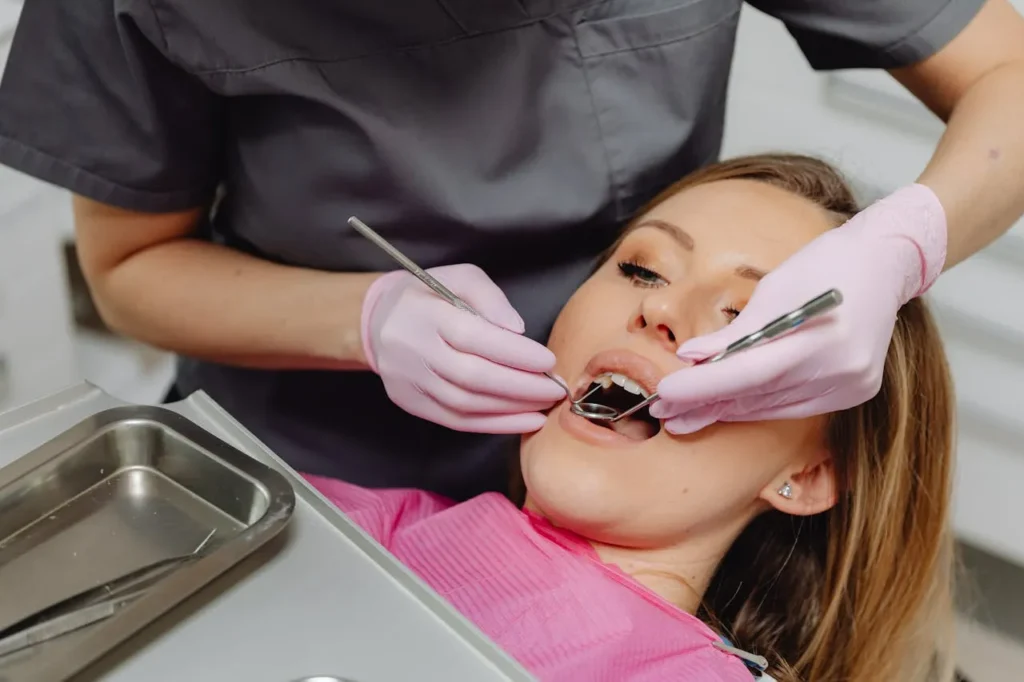
If you are planning to whiten your teeth, or you want to look after your results properly, professional advice can help you avoid guesswork. Whitening is not only about choosing a brighter shade. It is also about checking that your teeth and gums are suitable, understanding what may affect your results, and knowing how to care for your smile afterwards.
At Muse Dental, our teeth whitening treatment is planned after assessing your teeth, gums and suitability for treatment. We can also give you aftercare advice on common staining risks, sensitivity and how to maintain your results at home.
Whitening results vary from person to person, especially if you have deeper staining or visible dental work such as fillings, crowns, veneers or bonding. If you are ready to explore whitening safely, visit our teeth whitening page to learn more about how we can help.
When Stains After Whitening Need a Dentist’s Advice
Some discolouration is not caused by surface staining. A single dark tooth, grey patches, old trauma, medication-related staining or colour changes around fillings may need a closer look.
You should ask us for advice if:
- One tooth looks much darker than the others
- Staining appears suddenly
- You have pain, sensitivity or gum irritation
- Existing dental work no longer matches your tooth shade
- Whitening results look uneven
This helps us check whether the issue is surface staining, an older restoration, enamel wear or something that needs treatment.
How to Keep Whitening Results Clearer for Longer
The key takeaway is this: what stains the teeth most after whitening is usually a mix of dark colour, acidity, tannins and frequent exposure. Coffee, tea, red wine, curry, tomato sauces, berries and tobacco are the main things to watch.
You do not need to avoid them all forever. You simply need to be careful straight after whitening and sensible over the long term.
Good aftercare, regular hygiene visits and advice tailored to your smile may help your whitening results stay fresher for longer. We are here to help you look after your whitening results in a practical, sustainable way.