
This article provides general information only and should not be used to diagnose gum disease or decide which treatment you need. The appropriate type of professional cleaning depends on an individual dental and periodontal assessment. If you have persistent bleeding, swelling, gum recession, loose teeth, significant pain or other ongoing changes, arrange an assessment with a dental professional.
If you are comparing scale and polish vs deep cleans, the main difference is where the cleaning takes place and why it is needed. A routine scale and polish removes accessible plaque, tartar and surface deposits, mainly above the gumline. A deep clean involves cleaning affected root surfaces beneath the gums, usually as part of treatment for periodontitis.
They are not simply lighter and stronger versions of the same appointment. The right treatment depends on your gum health, whether periodontal disease is present and what a professional assessment reveals.
Scale and polish vs deep cleaning at a glance
Both treatments involve removing deposits from your teeth, but they serve different purposes.
| Scale and polish | Deep cleaning | |
| Main purpose | Remove accessible plaque, tartar and surface deposits | Treat areas affected by periodontitis |
| Where cleaning takes place | Mainly above and around the gumline | Beneath the gumline and along affected root surfaces |
| Usually appropriate for | Removal of accessible plaque, calculus or staining where professional cleaning is clinically indicated | Periodontal disease requiring subgingival treatment |
| Number of appointments | Often completed during one hygiene appointment | May require one or several appointments |
| Local anaesthetic | Usually unnecessary | May be used for comfort |
| What determines the need | Plaque, calculus, staining and individual hygiene needs | Periodontal assessment and clinical findings |
The important difference is not how thoroughly you want your teeth cleaned. It is whether the tissues supporting your teeth need more targeted treatment.
What is a scale and polish?
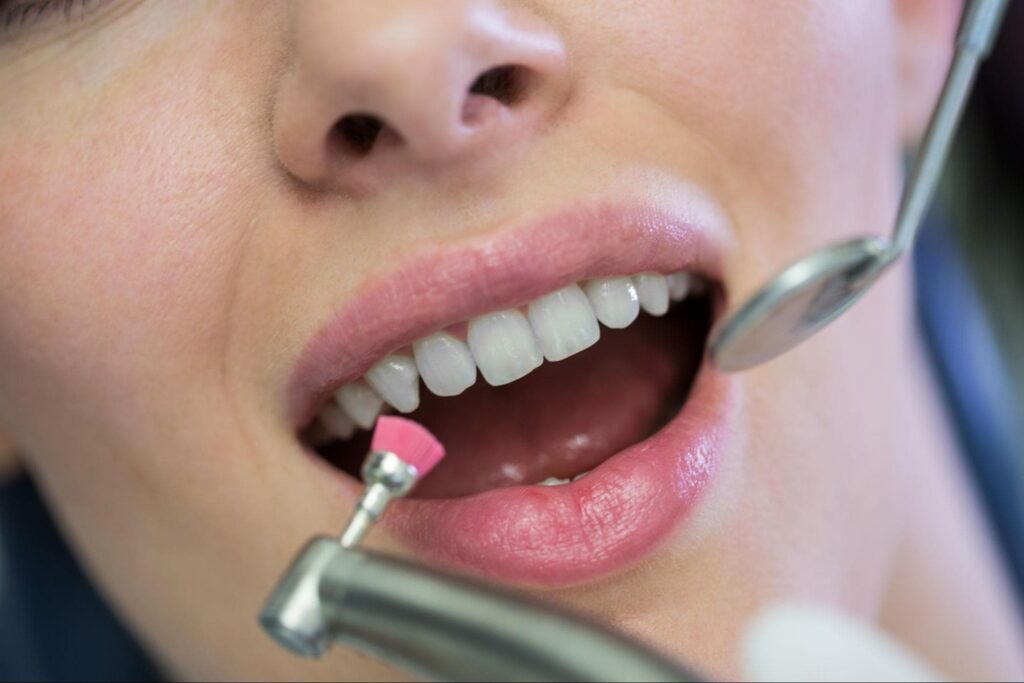
A scale and polish is a familiar name for professional tooth cleaning.
Scaling removes deposits of tartar, also called calculus, which form when plaque hardens on the teeth. Once calculus has developed, brushing alone cannot remove it.
Professional cleaning can also target plaque and deposits in areas that are difficult to reach at home. Polishing may help remove some surface staining and leave the teeth feeling smoother.
A routine clean may be appropriate when your gums are healthy or stable, and there is accessible plaque, calculus or staining that would benefit from professional removal.
At Muse Dental, our hygiene appointments include Guided Biofilm Therapy with EMS Airflow as standard. We also assess your gum health and provide personalised advice on brushing, interdental cleaning and maintaining good oral hygiene.
This helps us understand your gum health and recommend appropriate care based on our findings, rather than assuming everyone needs the same treatment.
What does deep cleaning actually mean?
Deep cleaning is a term patients often hear when discussing treatment for gum disease. Dental professionals may use more specific terminology, including:
- Subgingival cleaning
- Periodontal cleaning
- Root surface debridement
- Root planing
- Subgingival instrumentation
- Professional mechanical plaque removal (PMPR)
These terms have been used in different clinical contexts and are not necessarily identical procedures.
Current periodontal guidance on professional mechanical plaque removal distinguishes between supragingival cleaning, which removes accessible deposits above the gumline, and subgingival instrumentation, which targets affected root surfaces beneath it.
In practical terms, this means the treatment is addressing a different part of the tooth.
When periodontitis is present, plaque biofilm and calculus may accumulate below the gumline. Cleaning these areas can form part of managing the disease and reducing inflammation.
Why would someone need a deep clean?
Deep cleaning is not an upgraded version of routine hygiene treatment. It is generally recommended when a periodontal assessment identifies areas beneath the gums that require treatment.
Periodontitis differs from gingivitis because it involves loss of the tissues supporting the teeth, rather than inflammation being limited to the gums.
Current guidance for managing periodontitis recommends a stepwise approach, including subgingival instrumentation where clinically indicated.
Some signs that may indicate a problem with your gums include:
- Bleeding when brushing or cleaning between your teeth
- Persistent gum swelling or tenderness
- Receding gums
- Ongoing bad breath
- Changes in the spaces between your teeth
- Teeth that feel loose
These symptoms do not diagnose periodontitis or mean that you automatically need a deep clean. Similar changes can have different causes, so persistent or worsening symptoms should be assessed by a dental professional.
Our article on why gums bleed when brushing explains some of the reasons bleeding may occur and why ongoing symptoms deserve professional attention.
How do we decide which cleaning you need?
Before recommending treatment, we need to understand the condition of your gums.
A periodontal assessment may involve checking plaque and calculus levels, gum bleeding, periodontal pocket depths, recession and any signs of damage to the tissues supporting your teeth.
Your dental history and daily cleaning habits are also relevant.
Healthy or stable gums
If your gums are healthy or stable and the main concern is accessible plaque, calculus or staining, routine professional cleaning may be appropriate where clinically indicated.
The aim is to remove deposits you cannot remove yourself and support effective plaque control between appointments.
Gingivitis
Gingivitis causes inflammation of the gums without the supporting tissue loss associated with periodontitis.
Management usually focuses on improving plaque control, with professional plaque and calculus removal where clinically required.
The treatment needed depends on the condition of your gums, the deposits present and how effectively plaque is being controlled at home.
Periodontitis
Periodontitis requires a more targeted approach because the tissues supporting the teeth have been affected.
Treatment usually begins with improving plaque control and addressing relevant risk factors, followed by subgingival instrumentation where necessary.
The purpose is to remove deposits from affected root surfaces and help bring periodontal inflammation under better control.
Does deep cleaning hurt?
Deep cleaning can feel different from a routine hygiene appointment, particularly when treatment is needed around sensitive root surfaces.
Local anaesthetic may be used during subgingival instrumentation when needed for comfort. Whether it is appropriate depends on the treatment required and the individual patient.
You may experience temporary tenderness or tooth sensitivity afterwards.
As periodontal swelling reduces, existing recession or spaces between the teeth can become more noticeable. Any unexpected, worsening or persistent changes should still be discussed with your dental team.
Your dental professional should explain the likely effects, benefits and limitations of treatment beforehand, including what to expect afterwards.
Can a routine hygiene clean treat gum disease?
That depends on whether you have gingivitis or periodontitis.
Early gum inflammation may improve with better plaque control and appropriate professional care.
Established periodontitis is different.
If deposits and plaque biofilm are present below the gumline on affected root surfaces, simply cleaning and polishing the visible parts of the teeth does not address the whole problem.
Having your teeth polished does not necessarily mean periodontal disease has been treated.
What matters clinically is where deposits are located, the condition of the supporting tissues and whether periodontal pockets indicate a need for treatment beneath the gums.
This is why a professional assessment is more useful than choosing a particular cleaning procedure based on its name.
Is Airflow the same as a deep clean?
No. Airflow and periodontal deep cleaning are not interchangeable.
Air polishing uses a controlled stream of air, water and powder to disrupt plaque biofilm and remove certain surface stains.
At Muse Dental, Guided Biofilm Therapy with EMS Airflow forms part of our standard hygiene appointments.
However, air polishing cannot replace every form of periodontal instrumentation.
Current guidance on periodontal instrument choice explains that air polishing can remove soft plaque biofilm but does not remove calculus.
Where hardened deposits are present, hand instruments, powered scalers or a combination may be required.
Airflow may therefore form part of a hygiene or periodontal appointment, but calculus still needs an instrument designed to remove it.
What happens after periodontal deep cleaning?
Periodontal treatment does not necessarily end when the cleaning is completed.
A follow-up assessment helps establish how the gums have responded and whether inflammation has reduced.
Your dental team may reassess bleeding, periodontal pocket depths and other clinical findings.
Depending on the results, further care may involve:
- Supportive periodontal maintenance: Ongoing professional care to help maintain periodontal stability.
- Improved home cleaning: Individual advice on brushing and interdental cleaning.
- Monitoring affected areas: Reviewing sites that continue to show signs of inflammation.
- Additional treatment: Further non-surgical treatment or specialist referral where clinically appropriate.
Periodontitis requires ongoing management, so maintaining good plaque control after treatment is particularly important.
How frequently you need professional care also depends on your periodontal health and individual risk factors. Our guide to how often you should see a dental hygienist explains why appointment intervals are not the same for everyone.
How can you maintain healthy gums between appointments?
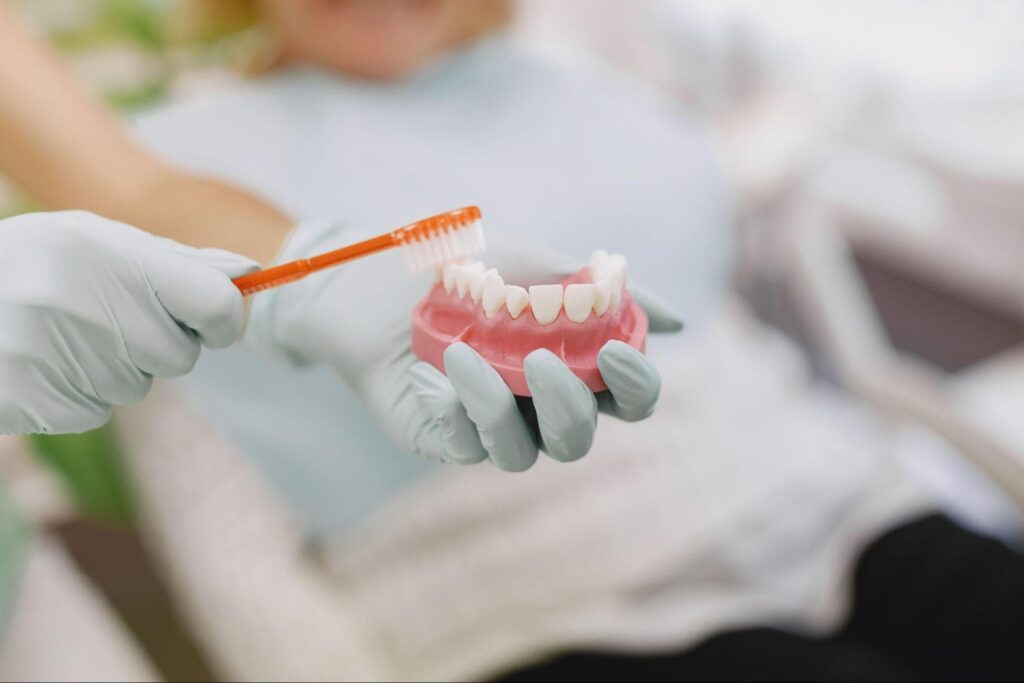 What happens between appointments has a major bearing on gum health. Professional cleaning needs to be supported by effective plaque removal at home.
Useful habits include:
- Brush twice daily with fluoride toothpaste.
- Clean between your teeth using a method recommended for your needs.
- Pay attention to the gumline, where plaque can accumulate.
- Follow personalised brushing and interdental cleaning advice.
- Avoid excessive brushing pressure.
- Arrange an assessment if bleeding, swelling or other gum changes persist or worsen.
The aim is effective plaque removal without relying on harder brushing or unnecessary products.
If you have previously received treatment for periodontitis, following your recommended maintenance plan is also important.
So, do you need a scale and polish or a deep clean?
A scale and polish and periodontal deep cleaning serve different purposes.
Routine professional cleaning removes accessible plaque, calculus and surface deposits where this is clinically indicated. Deep cleaning targets affected root surfaces beneath the gumline when periodontitis makes this necessary.
Neither treatment is automatically better than the other. The appropriate choice depends on your gum health and clinical findings.
At Muse Dental, our hygiene appointments include professional cleaning, gum health assessments and personalised oral hygiene advice. If further periodontal assessment or treatment is indicated, the next steps can be discussed based on your individual needs.
If you have persistent bleeding, recurring tartar, gum recession or simply want a clearer picture of your gum health, our dental hygiene care is a good place to start. You can see what an appointment involves and arrange a visit to discuss your concerns.