
This article is intended as general information only. It does not replace personalised dental advice, diagnosis or treatment planning. Recovery after dental implant surgery can vary depending on the individual and the complexity of the procedure.
If you are wondering, are dental implants painful? The answer is often less worrying than many people expect. Dental implants are usually placed under local anaesthetic, so the area being treated is numbed before the procedure begins. Once the area is fully numb, the procedure is not typically painful, although you may still notice pressure or vibration. After the anaesthetic wears off, some soreness or tenderness can happen as part of early healing. For many patients, this discomfort is mild to moderate, but individual experiences can vary.
It is very common to feel more nervous about the thought of implant treatment than the treatment itself. The word “surgery” can sound daunting, especially if you have never had this type of dental care before. In practice, implant treatment is carefully planned and closely monitored. Knowing what happens before, during and after treatment can help you feel more prepared.
The short answer to whether dental implants are painful
The short answer is that dental implant treatment is not usually painful during the procedure once the area is numb. Local anaesthesia is commonly used for implant placement, and recognised short-term effects afterwards can include swelling, bruising, soreness and minor bleeding. The Mayo Clinic guide to dental implant surgery explains this clearly.
| Stage | What you can usually expect |
| Before surgery | Worry, anticipation, and sometimes discomfort if the area is already inflamed |
| During surgery | Pressure, movement and vibration, but not usually pain, once the area is numb |
| First 24 to 72 hours | Tenderness, swelling, bruising and mild to moderate soreness can occur |
| First week | The area often begins to feel more comfortable as healing progresses |
| Healing period | The gum and bone continue to recover around the implant |
Why dental implants often feel easier than expected
Many patients assume implant surgery will be especially painful simply because it sounds more involved than a filling or a routine appointment. In reality, concerns about pain are common before treatment, but the procedure itself is usually more comfortable than people expect once the local anaesthetic has taken effect.
There are a few reasons for that:
- The area is numbed before treatment begins
- The sensations during treatment are often pressure, not pain
- The procedure is planned carefully in advance
- Most post-operative discomfort happens after surgery, not during it
- Early healing is often manageable with the aftercare advice you are given
Uncertainty can make treatment sound more difficult than it usually feels in practice. Research reflects that pattern too. A study published in the Journal of Periodontology found that pain after implant surgery was generally mild and reduced as healing continued.
What to expect before implant surgery
Much of what helps implant treatment feel straightforward comes from careful planning before the day of surgery. Before we recommend an implant, we need to make sure your mouth is suitable for treatment and that you understand what the process is likely to involve.
Your consultation and assessment
At your consultation, we will assess your teeth, gums and bone support, and review your general health and any factors that could affect healing. This is also when we explain the procedure and talk through what recovery may look like in your case.
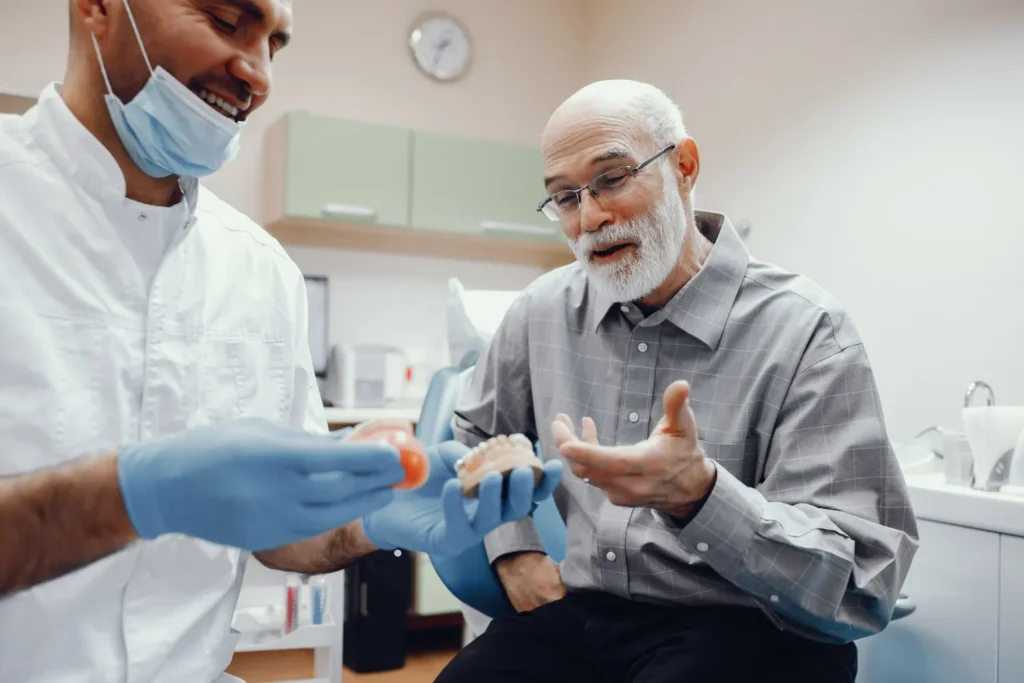
We will usually cover:
- Your dental and medical history
- The condition of your gums
- The bone available in the implant area
- Whether any preparatory treatment may be needed
- What the procedure involves
- What healing may look like for you
If you tend to feel uneasy before treatment, our article on dental anxiety and how to manage it may help you feel more prepared ahead of your appointment.
Questions worth asking before surgery
It helps to keep your questions practical. For example:
- What will I feel during the procedure?
- How sore is the area likely to be afterwards?
- What should I eat in the first few days?
- How long does healing usually take?
- When should I contact you if something does not feel right?
What matters most here is understanding what is common, what can vary, and what should be checked.
What happens during dental implant surgery
Implant treatment is usually carried out under local anaesthetic, so the area is numb throughout. That is one of the main reasons implant treatment is generally more comfortable than patients expect.
1: The area is numbed
We begin by making sure the treatment site is fully numb. You may feel the anaesthetic being given, but once it has taken effect, the area should feel dull and insensitive.
2: The implant is placed
The gum is gently opened, the site is prepared, and the implant is positioned in the bone. During this stage, you may notice pressure, vibration or tapping sensations. These can feel unusual if you have never had oral surgery before, but they are not usually described as pain when the area is numb.
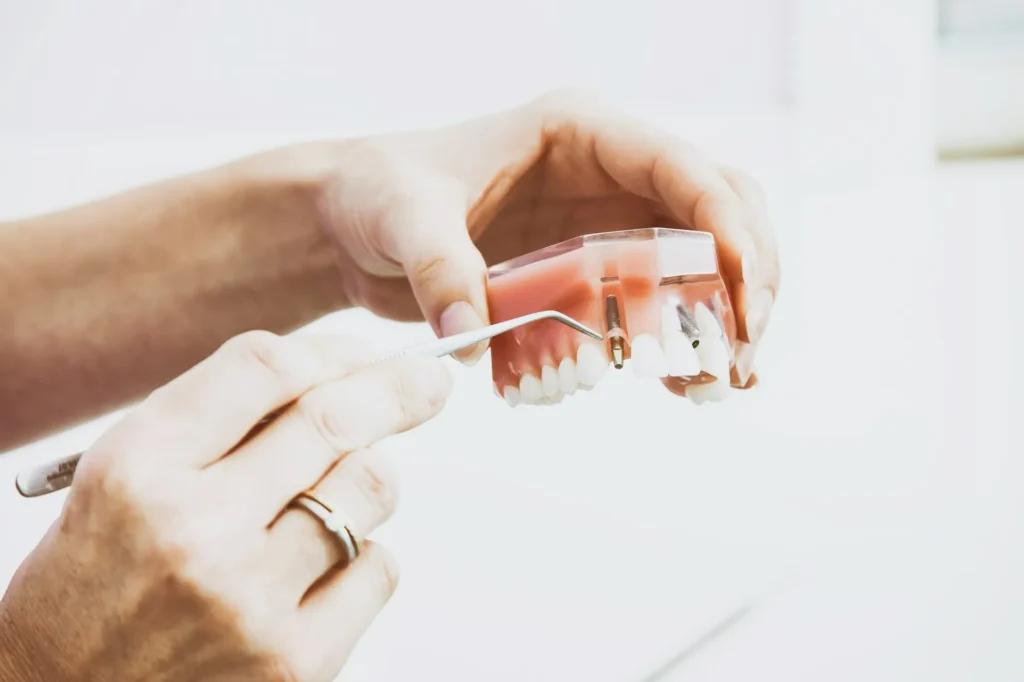
3: The healing process begins
Once the implant is in place, the gum is closed, and the site begins to heal. Over time, the surrounding bone bonds with the implant in a process known as osseointegration. The Cleveland Clinic overview of dental implants explains that this healing stage is a key part of implant treatment and can take several months.
If you are researching implants because you want a secure, long-term way to replace a missing tooth, this is where a clear treatment plan matters. Our dental implants service explains what the process involves, how we assess suitability, and what you can expect at each stage. If you want a fuller picture of the treatment beyond the question of pain, it is a useful place to start.
What to expect after dental implant surgery
Once the anaesthetic wears off, some tenderness, swelling or mild discomfort can happen. For many patients, this is manageable, but recovery is not identical for everyone. Healing times and post-operative symptoms can vary depending on the individual, the area being treated, and whether the procedure is straightforward or more complex.
What is normal after surgery?
After implant placement, it is common to notice:
- Mild to moderate soreness
- Swelling around the gums or face
- Slight bruising
- Minor bleeding or oozing on the day
- Tenderness when chewing near the area
For many patients, this may feel similar to the soreness some people experience after a tooth extraction, though experiences vary from person to person.
A simple recovery timeline
| Time after surgery | What is often normal |
| Same day | Numbness wearing off, slight bleeding, tenderness beginning |
| Days 1 to 3 | Swelling and soreness are often most noticeable |
| Days 4 to 7 | The area may begin to settle as healing progresses |
| 1 to 2 weeks | Gum healing often continues, and tenderness may reduce |
| Several months | Bone continues to integrate with the implant |
How to make recovery more comfortable
Most people do best when they keep things simple and follow the advice they have been given. Aftercare is not one-size-fits-all, and we tailor guidance to the treatment you have had and how your mouth is healing.
In the first few days, it may help to:
- Rest after your appointment
- Choose softer foods while the area is tender
- Avoid chewing directly on the implant site
- Take any recommended pain relief exactly as advised by your dentist or pharmacist
- Keep the area clean in the way we recommend
- Attend your follow-up appointments
It is also worth remembering that looking after the rest of your mouth matters during treatment planning and recovery. If you are still weighing up your options, our guide on how to fix missing teeth without implants explains some of the alternatives and when they may be discussed.
When pain is not normal
Some soreness is expected in the early healing phase, but worsening pain or other concerning symptoms should be assessed by your dentist.
Contact us if you notice:
- Pain that worsens after the first few days
- Swelling that continues to increase
- Bleeding that does not settle
- A bad taste or discharge from the area
- Fever or feeling unwell
- The implant feels loose or unstable
If something does not seem right, it is better to let us assess it early rather than wait and hope it settles.
Are dental implants more painful than a tooth extraction?
This varies from person to person. Some patients feel implant treatment is no worse than an extraction, while others may find recovery different depending on the site treated and the complexity of the procedure. What is most useful to know is that implant treatment is usually carried out under effective anaesthesia, and any discomfort afterwards is often temporary and tends to improve as healing progresses.
If you are also thinking beyond the surgery itself, our guide on how long dental implants last explains what affects durability and what helps support long-term success.
The key takeaway
So, are dental implants painful? In most cases, the procedure itself is not usually painful once the area is fully numb. Afterwards, some tenderness, swelling or soreness can happen, and the severity can vary from one patient to another. For many people, the early recovery period is manageable, but it is still important to know what is normal and when to seek advice.
What makes the biggest difference is understanding what to expect, following the aftercare advice you are given, and getting in touch if symptoms seem to be worsening rather than improving.