
If you are trying to book a dental check-up around a busy week, the practical question is usually the same: how long will it take?
Our appointment times are set in advance, so you know what you are booking, and we can give you the right level of attention. A routine check-up is shorter and more efficient. New patient and complex reviews are booked for longer, mainly because there is more history to cover and more planning to do. If imaging is clinically appropriate, it is usually carried out within the same appointment and does not change the booked length.
The key takeaway is this: we keep appointments efficient while prioritising thoroughness, so you leave with a clear plan.
What a dental check-up actually covers
A check-up is your regular oral health review. It helps us spot early changes, confirm what is healthy, and decide what needs action, monitoring, or prevention support.
In everyday terms, a check-up typically includes:
- A quick health update (medications, medical history, anything new since your last visit)
- Your concerns (pain, sensitivity, bleeding gums, a chipped edge, jaw tension)
- A tooth-by-tooth assessment (decay risk, wear, cracks, and the condition of any fillings or crowns)
- A gum health assessment (including deeper checks when clinically appropriate)
- Soft tissue checks (tongue, cheeks, palate, and other oral tissues)
- A simple plan (what looks stable, what we are watching, and what we recommend next)
We aim for you to leave understanding what we found and what happens next, even if the answer is reassuringly simple.
Typical check-up lengths
Appointment lengths are booked to match what needs to be covered. Some visits are routine and straightforward, while others are booked for longer when there is more history to review, more planning to do, or a specific concern to investigate.
Comparison table: common appointment types
| Appointment type | What it usually includes | Appointment length |
| Routine check-up (adult) | Exam, advice, next-step plan | 20 minutes |
| Routine check-up (child) | Exam and prevention-focused advice | 10 minutes |
| New patient check-up | More history, more discussion, baseline records | 40 minutes |
| Complex check-up | More detailed assessment and planning | 50 minutes |
If you are booking around a tight schedule, it can still help to arrive a few minutes early so you feel settled, and we can start on time.
Why are some appointments booked for longer
When an appointment is booked for longer, it is usually because we are being methodical and making sure the plan is right. Common reasons include:
You have a symptom to investigate
If you mention pain, sharp sensitivity, swelling, or discomfort when biting, we may need a more detailed assessment to narrow down the cause. That might involve checking how your bite is working, looking closely at one tooth, or confirming whether the gum around it is inflamed.
We need to check areas you cannot see
Some problems develop between teeth or under older dental work. Even with excellent brushing, there can be areas that only show up with the right checks and, sometimes, imaging.
Gum health needs more detail
Bleeding gums are common, but they are never “nothing”. If you report bleeding during brushing or flossing, we may carry out a more detailed gum assessment and talk through practical next steps.
You want a proper explanation of options
Time spent on explanation is not wasted. We want you to understand what we are seeing, what it means, and what your options are, so that decisions feel confident rather than rushed.
Dental appointments also vary in length because dental procedures themselves vary in complexity. A peer-reviewed BDJ Open paper discusses this variability in time estimates for common dental procedures, a useful reminder that there is no one-size-fits-all appointment length.
What happens during a check-up
A check-up often feels calmer when you know the flow. This is how we typically structure it.
Step 1: We agree on what we are focusing on
We begin with a short conversation about what has changed since your last visit and what you want us to look at today.
If it helps, arrive with one to three points, such as:
- “This tooth is sensitive to cold.”
- “My gums bleed when I floss.”
- “I keep waking up with a tight jaw.”
Starting with your priorities helps us use the appointment time well.
Step 2: We examine teeth and existing dental work
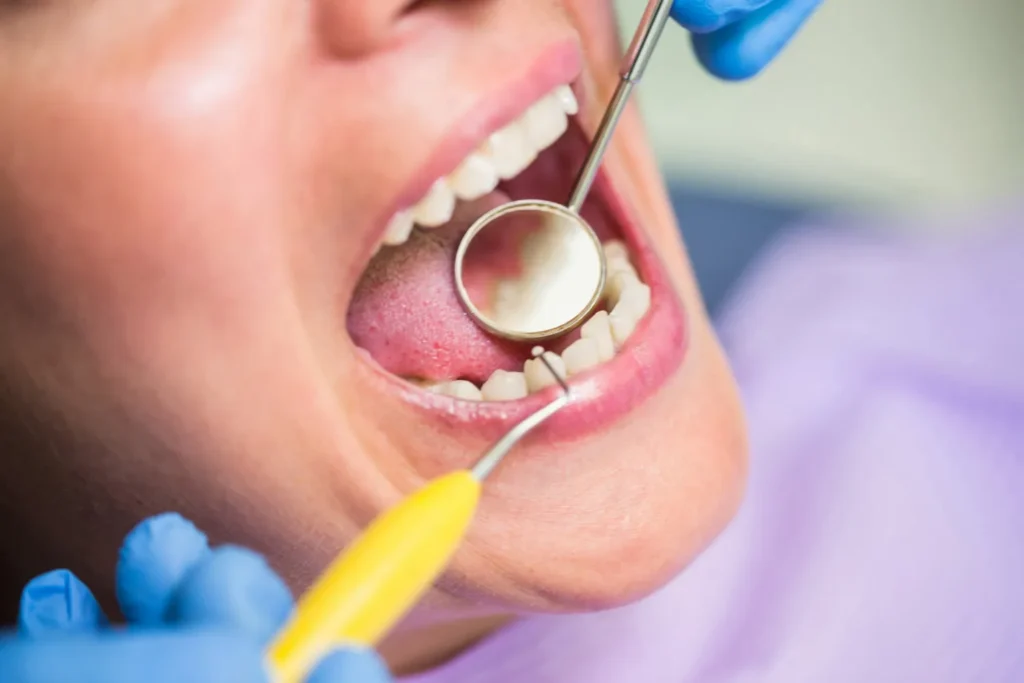
We assess tooth surfaces, look for signs of decay and wear, and check the condition of any existing restorations such as fillings or crowns. We also review bite function and wear patterns when clenching or grinding seems likely.
If everything looks stable, this part is usually straightforward. If we see areas to monitor, we will explain what we are watching for and what would prompt action.
Step 3: We assess gum health
Gum health supports every tooth. If gums look inflamed, or if you report bleeding, we may carry out a more detailed assessment so we can recommend the most appropriate next step.
If you are also due for a professional clean, our page on dental hygiene appointments explains what that visit includes and why it is often booked as a longer appointment.
Step 4: We may recommend X-rays when they change the plan
X-rays are not automatically taken at every check-up. We may recommend imaging when it is likely to influence what we do next, based on clinical findings and your risk profile.
In the UK, imaging decisions are guided by established selection criteria, so radiographs are clinically justified rather than routine. The College of General Dentistry outlines this approach in the selection criteria for dental radiography.
If X-rays are needed, they are typically carried out within the same appointment and do not require a longer booking time.
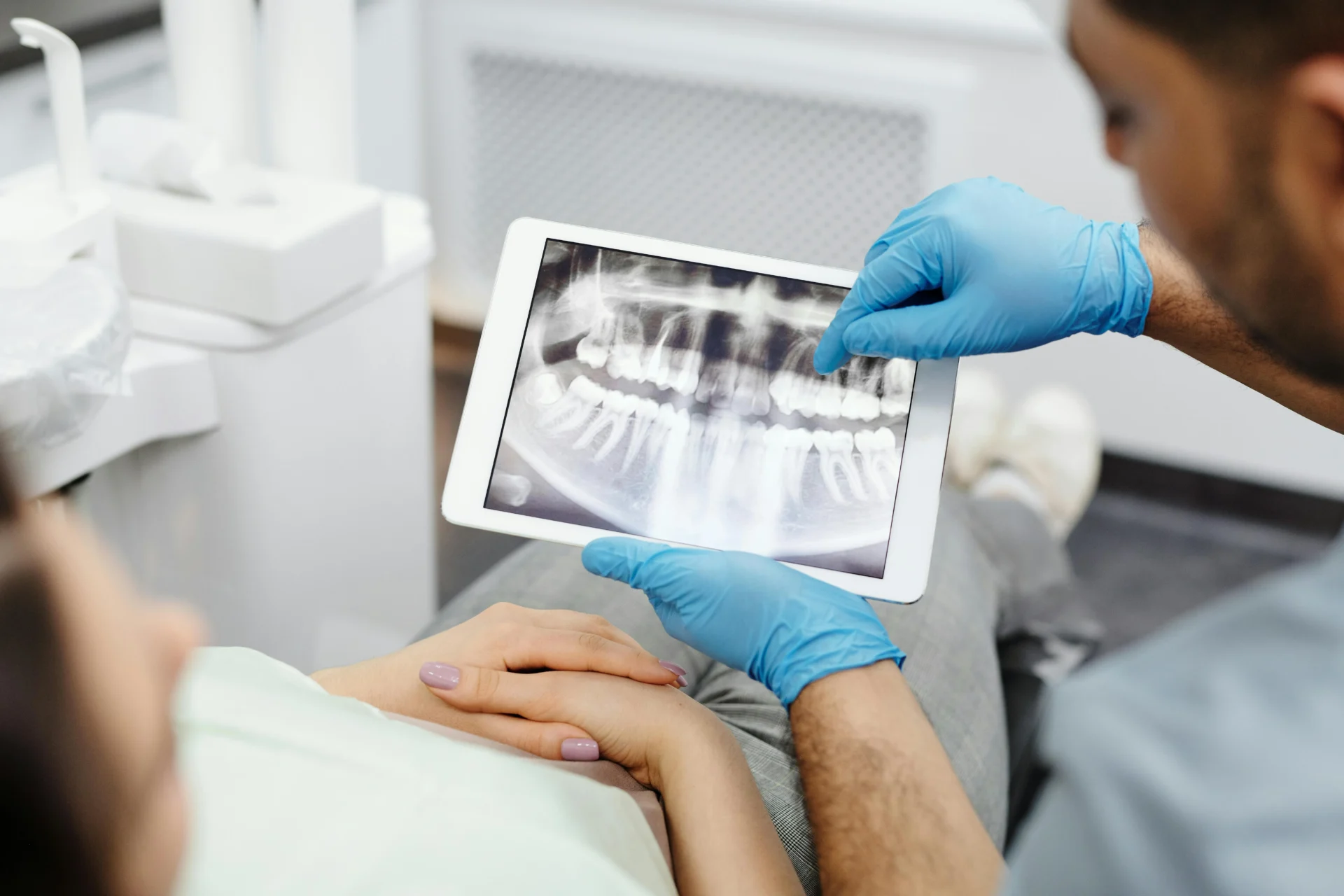
Step 5: We explain what we found and agree on the next steps
This is the part that most affects appointment length because it includes discussion and planning.
If everything looks healthy, the summary is usually brief.
If we find something, we will talk it through clearly. We typically cover:
- What we found
- Why it may be happening
- What might happen if we do nothing for now, where appropriate
- What the options are
- What we recommend and why
We want you to understand the reasoning, not just the outcome.
First visit vs routine check-up
If it is your first appointment with a practice, or it has been a long time since your last check-up, we often allow longer. That extra time is mainly about building an accurate baseline and getting the details right.
A first visit may involve:
- More time discussing dental history and goals
- A more detailed assessment, where appropriate
- A clearer plan for prevention and treatment sequencing
Once that foundation is in place, future check-ups often feel quicker and more predictable.
How often should you have a check-up?
Many people grew up thinking “every six months” is the standard for everyone. In reality, recall intervals are usually personalised.
For some people with stable oral health, longer intervals may be appropriate. Others may benefit from being seen more frequently due to risk factors such as active gum issues, frequent decay, or a complex dental history.
NICE supports a risk-based approach to review intervals and sets out the framework in their guidance on intervals between oral health reviews.
If you are unsure, we will explain why we are recommending a particular interval and what would cause us to shorten or extend it.
How a check-up fits within general dentistry
A dental check-up sits at the heart of general dentistry. It is where we detect early changes, keep prevention on track, and plan routine care in a sensible order.
If you would like to see how check-ups and everyday treatments fit together, visit our General Dentistry page. It is a straightforward way to understand what ongoing care can look like and which appointment type suits you.
Ready to book?
If you would like to arrange a check-up, or you are unsure which appointment length is most suitable, you can reach us via our contact page.
This article is general information and does not replace personalised dental advice. If you have severe pain, facial swelling, dental trauma, or uncontrolled bleeding, seek urgent dental care.