
Cosmetic dentistry is not about chasing a “perfect” smile that looks copied and pasted. When planned carefully, it’s about thoughtful changes that suit your face, your teeth, and how you actually live. Some people want brighter teeth, others want straighter edges, and some simply want their smile to feel more balanced in photos.
In this guide, we explain the main cosmetic dentistry options, what they’re best suited for, and how we help patients choose treatments that look natural and feel comfortable long term.
What cosmetic dentistry can help you change
Cosmetic dentistry focuses on improving the appearance of teeth and gums, but it often overlaps with function. Straighter teeth can be easier to clean, worn edges can affect how your bite meets, and replacing missing teeth can restore balance as well as confidence.
Common concerns we discuss include:
- Teeth that look dull or stained despite good brushing
- Chipped or uneven front edges
- Small gaps or irregular tooth shapes
- Mild crowding or teeth that sit out of line
- Older fillings that show when you smile
As a dental team focused on long-term oral health as well as aesthetics, we plan cosmetic treatments conservatively and review outcomes over time. Healthy gums, stable enamel, and a comfortable bite give cosmetic treatments the best chance of lasting.
Teeth whitening for a brighter, fresher look
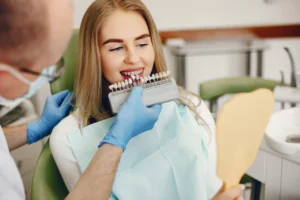
Teeth whitening is often one of the most conservative cosmetic options, depending on enamel condition and existing dental work. It works on natural enamel and can lift everyday staining caused by tea, coffee, red wine, and general ageing.
Whitening is usually suitable if you want:
- A noticeable improvement without changing the tooth shape
- A refreshed smile that still looks natural
- A treatment that can be planned around events
One important point is that whitening does not change the colour of crowns, veneers, or fillings. Planning matters if you already have dental restorations, so everything blends naturally.
In the UK, professional tooth whitening is regulated. The General Dental Council sets clear boundaries around who can legally provide whitening treatments, which is explained in its guidance on illegal tooth whitening carried out by non-dental providers.
If you’d like a clearer idea of what whitening can realistically achieve, our guide on how teeth whitening works explains the process in more detail. You can also explore our professional approach on our teeth whitening page.
Composite bonding for small shape changes
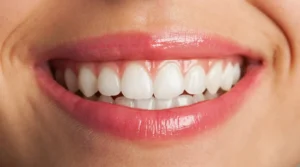
Composite bonding uses tooth-coloured resin to refine shape, repair chips, close small gaps, or even out uneven edges. In our experience, bonding works particularly well for minor cosmetic concerns where only subtle changes are needed.
Bonding is commonly used for:
- Small chips and worn edges
- Minor gaps between teeth
- Subtle symmetry improvements
- Teeth that look slightly uneven in length
Over time, bonded areas can stain or wear, particularly if you grind your teeth or regularly bite hard foods. The advantage is that bonding is usually repairable, which makes it a flexible option for many patients.
You can read more about this treatment on our composite bonding page.
Porcelain veneers for more comprehensive changes
Veneers are thin porcelain shells bonded to the front surfaces of teeth. They’re often considered when you want more noticeable changes to shape, colour, or overall smile harmony.
Veneers may be suitable if you’re looking to address:
- Uneven tooth shapes or prominent edges
- Discolouration that won’t respond to whitening
- Wider gaps or an unbalanced smile line
Veneers usually involve some enamel modification, which is why careful planning around bite forces, enamel thickness, and long-term maintenance matters. We explain the stages involved, from planning to placement, in our article on how veneers are fitted.
Teeth straightening as a foundation option
Straightening teeth is often one of the most tooth-friendly cosmetic approaches. Instead of reshaping teeth to look straight, orthodontic treatment moves them into healthier positions.
Straightening can help with:
- Crowding and overlapping teeth
- Gaps and spacing
- Rotated teeth
- Bite alignment and wear patterns
We often find that straightening first reduces the need for bonding or veneers later, allowing cosmetic work to be more conservative. NHS guidance on braces and orthodontics also notes that improved alignment can make teeth easier to clean.
Our teeth straightening page outlines the options we offer and how we assess suitability.
Crowns, bridges, and implants for smile restoration
Some cosmetic improvements are closely linked with restorative care. If a tooth is heavily filled, fractured, or missing, restoring it can improve both appearance and function.
Examples include:
- Crowns to restore strength and appearance
- Bridges to replace missing teeth in suitable cases
- Implants to provide a fixed, long-term replacement
Choosing the right option depends on tooth health, bite forces, bone support, and long-term predictability. The NHS provides a clear overview of common dental treatments, including crowns, veneers, whitening, bridges and implants, which can help patients understand how these options differ
Longevity is an important consideration, which we explore further in our guide on how long dental implants last.
Cosmetic dentistry options compared
| Option | Best for | Invasiveness | Maintenance considerations |
| Whitening | Lifting the shade on natural teeth | Low | Top-ups may be needed |
| Composite bonding | Chips, edges, small gaps | Low | Can stain or wear |
| Veneers | Shape and colour changes | Medium | Long-term care required |
| Teeth straightening | Alignment and spacing | Low–Medium | Retainers essential |
| Crowns and implants | Restoration and appearance | Medium–High | Regular reviews important |
How we help you choose
Step 1: Start with the result you want
Rather than focusing on a treatment name, we look at what you’d actually like to change.
Step 2: Check health and stability
Gum health, enamel condition, bite, and existing restorations all influence what’s appropriate.
Step 3: Choose the most conservative option that works
If whitening achieves the result, we start there. If straightening reduces the need for veneers, we discuss that first.
Step 4: Plan maintenance from the start
Every cosmetic option comes with different long-term care considerations, which we explain clearly.
How we plan cosmetic dentistry treatments
Choosing between cosmetic dentistry options is rarely about one treatment alone. It’s about understanding how different options work together and what suits your teeth long term.
When patients come to us considering cosmetic improvements, we assess oral health first, then talk through realistic options. That might mean starting with whitening, using bonding for small refinements, straightening teeth before considering veneers, or combining treatments gradually.
If you’re thinking about cosmetic changes and would like clear, honest guidance, our cosmetic dentistry page gives an overview of the treatments we offer and how we plan them around long-term oral health.
Key takeaway
The most appropriate cosmetic option is the one that fits your teeth, your lifestyle, and your long-term comfort. With careful planning and a health-first approach, cosmetic improvements can look natural, feel comfortable, and age well.
This article is intended for general information only and does not replace personalised advice from a qualified dental professional. Suitability for cosmetic dental treatments varies between individuals and should always be assessed during a clinical consultation.