
Dental crowns, also known as caps, are custom-made restorations that encase a damaged or weakened tooth, restoring its shape, size, strength, and appearance. They are essentially tooth-shaped caps placed over the existing tooth, offering both functional and cosmetic benefits.
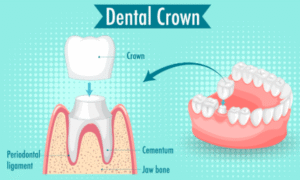
What they do
- Protect and strengthen: Crowns protect a damaged or weakened tooth from further damage, decay, or erosion
- Restore shape and size: They can restore a tooth’s original shape and size, especially after fractures or severe decay
- Improve appearance: Crowns can improve the appearance of discoloured, chipped, or misshapen teeth
- Hold a bridge in place: Crowns can be used to support a dental bridge, replacing missing teeth
- Cover implants: Crowns are also used to cover dental implants, providing a natural-looking tooth replacement
Crowns serve both restorative and cosmetic functions, making them a versatile treatment option for patients with a range of dental issues.
When are crowns for teeth needed?
Dental crowns may be required for several reasons:
- To protect a weakened tooth from further damage
- To restore a broken or severely worn-down tooth
- To cover and support a tooth with a large filling
- To hold a dental bridge in place
- To cover misshapen or discoloured teeth
- To cap a dental implant
In many cases, crowns help save a tooth that might otherwise require extraction. They’re particularly beneficial after root canal treatment or when a large portion of the tooth has been lost to decay.
At clinics like Muse Dental, dentists use digital imaging and high-quality materials to provide crowns tailored to each patient’s needs. A personalised treatment plan ensures both aesthetic and functional outcomes. You can view some of their recent cases in the Smile Gallery.
Types of crowns for teeth and their materials
The longevity and appearance of a crown largely depend on the material used. Different materials are suited to different clinical scenarios.
Metal crowns
- Made from gold alloy, palladium, or base-metal alloys
- Highly durable and resistant to wear
- Least likely to chip or break
- Minimal tooth removal required
- Better suited to molars due to poor aesthetics
Metal crowns are ideal for patients who prioritise function over appearance, particularly for less visible back teeth.
Porcelain-fused-to-metal (PFM) crowns
- Blend metal strength with porcelain appearance
- Strong and durable with good aesthetics
- Porcelain may chip over time
- Metal margin may become visible with gum recession
PFM crowns offer a compromise between strength and appearance, commonly used on premolars and molars.
All-ceramic or all-porcelain crowns
- Ideal for front or visible teeth
- Excellent aesthetics and metal-free
- Suitable for patients with metal allergies
- Less durable than metal-based crowns on molars
All-ceramic crowns are often chosen for front teeth because they mimic natural enamel more closely in both colour and translucency.
Zirconia crowns
- Made from zirconium dioxide
- Highly aesthetic and durable
- Suitable for both front and back teeth
Zirconia crowns are becoming increasingly popular due to their strength and natural look. They’re often recommended when both durability and aesthetics are important.
Resin crowns
- Typically used as temporary solutions
- Less expensive
- More prone to wear and fractures
Resin crowns are often placed while patients wait for their permanent crown. They’re functional but not designed for long-term use.
Dental crown procedure: How they are fitted
The process of getting a dental crown generally takes two appointments.
1. Initial assessment
The dentist will check the tooth for decay or damage and take X-rays to determine if a crown is suitable. In cases where the tooth is badly decayed, a root canal may be performed first.
2. Tooth preparation
The dentist reshapes the tooth by removing part of its outer layer. The amount removed depends on the type of crown being used. Local anaesthetic is applied to make the procedure comfortable.
3. Impression taking
- A mould of the prepared tooth is taken, or a digital scan is used
- The impression is sent to a dental laboratory
- Shade matching is done to blend with the surrounding teeth
4. Temporary crown placement
- A temporary crown is placed to protect the tooth
- Patients are advised to avoid sticky or hard foods until the permanent crown is fitted
5. Final crown fitting
- The permanent crown is tried on for fit and comfort
- Minor adjustments are made if necessary
- The crown is cemented in place
Crowns fabricated with CAD/CAM technology may be fitted on the same day, reducing the need for temporary crowns and follow-up visits.
How long do crowns for teeth last?
According to Healthline, the average crown lasts 10–15 years, with many functioning well beyond 20 years.
Factors that influence lifespan:
- Material used: Metal and zirconia last the longest
- Oral hygiene: Poor hygiene can lead to decay beneath the crown
- Bite pressure: Teeth grinding reduces lifespan
- Placement location: Molars endure more pressure
- Lifestyle factors: Smoking and diet can also affect durability
To maximise lifespan, regular check-ups and professional cleanings are recommended, alongside good home care habits.
What to expect after getting crowns for teeth
Short-term sensitivity
- Temporary sensitivity to hot or cold foods is common
- Discomfort usually subsides within a few days
- Pain when biting may indicate a need for adjustment
Bite adjustment
- Crowns should feel natural when biting
- If misaligned, adjustments are made in minutes during a follow-up visit
Long-term care
Maintain crowns as you would natural teeth:
- Brush twice daily with fluoride toothpaste
- Floss carefully around the crown margins
- Use interdental brushes or water flossers where necessary
- Avoid chewing ice or using teeth as tools
Alternatives to crowns for teeth
Not all cases require crowns. Alternatives may include:
Dental veneers
- Cosmetic solution for discoloured or slightly damaged teeth
- Ideal for improving appearance without full tooth coverage
You can also learn how dental veneers are fitted to see if they might be a better option in your case.
Inlays and onlays
- Suitable for moderate tooth damage
- Less invasive than crowns
- Preserve more of the natural tooth structure
Composite fillings
- Best for minor structural issues
- More affordable but less durable
- Generally used in molars and premolars
Discussing these options with a dentist can help identify the best treatment for your specific needs.
Common problems with crowns for teeth
While dental crowns are generally reliable, potential issues include:
- Crown loosening or falling off due to cement wear
- Chipping in porcelain-based crowns
- Decay forms beneath the crown if not cleaned properly
- Rare allergic reactions to metal
- Gum irritation or recession near the crown area
To prevent issues, routine dental visits are essential. Early signs of trouble, such as discomfort or gum swelling, should never be ignored.
Technological advancements in dental crowns
Modern techniques have streamlined both the design and fitting process.
CAD/CAM technology
- Enables same-day crowns with in-practice fabrication
- Increases fit precision
- Eliminates the need for multiple appointments
Digital impressions
- Replaces traditional moulds
- More comfortable and highly accurate
- Reduces patient discomfort and improves turnaround times
These innovations improve the patient experience and overall outcome.
When to see a dentist about crowns for teeth
Seek professional attention if you experience:
- Pain or pressure around a crowned tooth
- Loose or shifting crown
- Visible damage or discolouration
- Swelling or bleeding near the crown
Early intervention helps retain the crown and avoids more invasive treatment.
Final thoughts
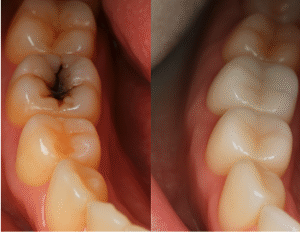
If you’re wondering what crowns for teeth are, they are restorative and cosmetic solutions that support damaged teeth and improve aesthetics. Crowns are durable, effective, and supported by modern dental technology. If you’re considering dental crowns, the experienced team at Muse Dental provides bespoke treatment using the latest tools in a calm, patient-focused setting. Book a consultation to explore the right crown solution for your smile.