
If you have an overbite, you may be wondering whether clear aligners can correct it or if braces are the better option. The answer is that Invisalign can be an effective option in selected cases, but not every overbite is the same, and not every case should be treated in the same way.
A better starting point is whether Invisalign is likely to work for your type of overbite. That depends on how your teeth meet, whether the issue is mainly dental or more closely linked to jaw structure, and what kind of result is realistic from the outset.
What is an overbite?
An overbite describes the vertical overlap between your upper front teeth and your lower front teeth. A small amount of overlap is normal. Treatment usually becomes more relevant when the overlap is more pronounced, affects how your teeth meet, contributes to tooth wear, or makes your bite feel uncomfortable.
In practice, many patients use the term “overbite” to describe several different bite concerns. Sometimes they mean prominent upper front teeth. Sometimes they mean a deep bite. In other cases, they are noticing a broader jaw relationship rather than tooth position alone. That is one reason a proper assessment matters. What you see in the mirror does not always reflect what is happening functionally.
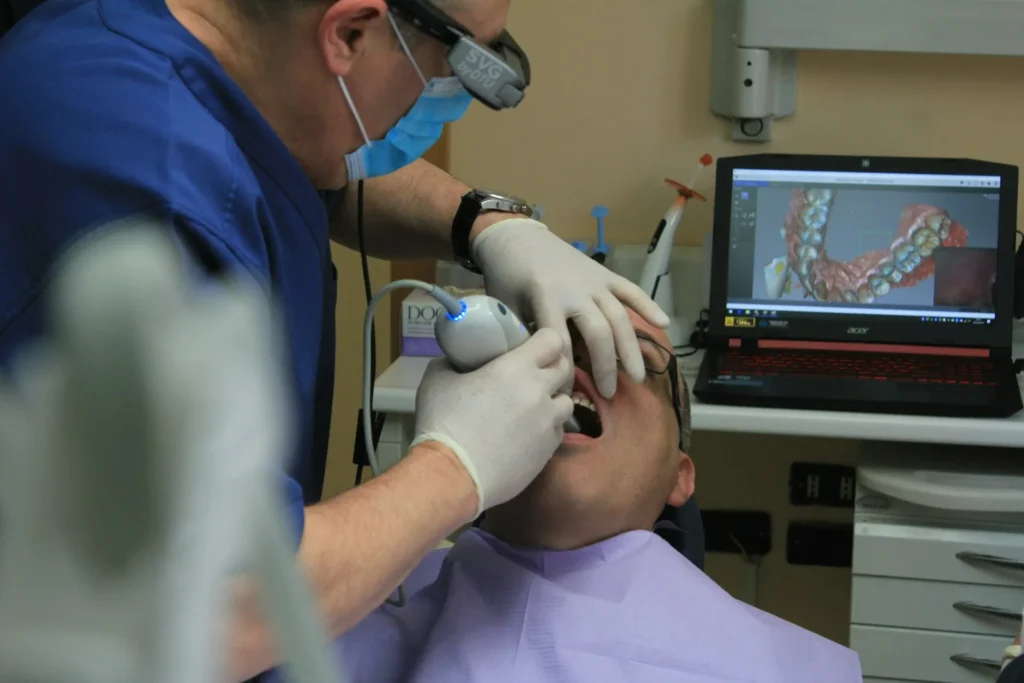
Can Invisalign fix an overbite?
In many cases, yes. Invisalign can often improve some mild to moderate overbites, particularly where the issue is mainly related to tooth position rather than jaw structure. According to Invisalign’s official guidance on treatable cases, overbite is one of the bite concerns that clear aligners can address.
Whether Invisalign is suitable for you depends on several factors:
- How severe your overbite is
- Whether the issue is dental, skeletal, or a combination of both
- How your back teeth meet
- Your stage of development
- How consistently you can wear the aligners
This is why treatment planning needs to be realistic from the outset. Invisalign can be an effective option in selected cases, but it is not the most suitable choice for every type of overbite.
Which overbite cases tend to respond best?
Invisalign is generally better suited to overbites that can be improved through controlled tooth movement rather than more complex correction of jaw position.
You may be more likely to be suitable if you have:
- A mild to moderate overbite
- Healthy teeth and gums
- An overbite driven mainly by tooth position
- Realistic expectations about the result
- The ability to wear aligners as instructed
If you are still exploring options, you can look at different teeth straightening treatments to understand how Invisalign compares with other approaches.
When Invisalign may not be the whole answer
Some overbites are more closely related to jaw structure than tooth position. In these cases, aligners may still be part of treatment, but they may not be the most suitable standalone solution.
Some more complex overbites are better managed with fixed braces or a wider orthodontic treatment plan. A clinical review published in PubMed Central on clear aligner therapy outcomes highlights that, while aligners can be effective, results vary with the complexity of the required movements.
This is not a limitation of Invisalign alone. It is simply the reality that some bite problems need more control than aligners can provide on their own. Where jaw structure is the main issue, aligners may still have a role, but they are not always the best standalone approach.
How Invisalign can help correct an overbite
Invisalign works using a series of custom-made aligners that apply gentle, controlled force to move your teeth over time. In overbite cases, treatment usually focuses on reducing the overlap and improving how your upper and lower teeth meet, where that is achievable in your case.
Depending on your case, treatment may include:
- attachments bonded to certain teeth for better control
- staged tooth movement across both arches
- bite features such as bite ramps
- elastics where clinically appropriate
- refinement aligners later in treatment
The aim is usually to improve the way your teeth meet as well as the appearance of your smile. In our experience, Invisalign tends to be more predictable when the bite has been assessed carefully from the start rather than judged from appearance alone.
What are the benefits of Invisalign for overbite treatment?
For the right patient, Invisalign offers several practical advantages.
A discreet appearance
Clear aligners are usually less noticeable than fixed braces, which can make treatment feel more comfortable in social and professional settings.
Removable trays
You can remove aligners when eating, drinking anything other than water, and cleaning your teeth. This helps you maintain your usual oral hygiene routine.
Digital treatment planning
Digital treatment planning helps us assess the movements needed and explain what Invisalign is likely to achieve in your case. It also allows treatment to be mapped in stages, which is particularly useful where bite correction needs to be approached carefully.
Comfort for many patients
There can still be pressure as your teeth move, but some patients find aligners more comfortable day to day because there are no brackets or wires.
What are the limitations?
The main drawback is commitment. Invisalign only works well if you wear it properly. If aligners are left out too often, treatment may take longer, and the result becomes less predictable.
Other considerations include:
- Not all overbites are suitable for aligners alone
- Attachments or elastics may still be needed
- Refinement stages are sometimes required
- Consistency is essential for success
Because aligners are removable, the result depends heavily on how consistently you wear them.
Is there anything to address before Invisalign?
Yes. Before starting orthodontic treatment, your teeth and gums generally need to be healthy enough for tooth movement.
If there are issues such as decay or gum inflammation, they usually need to be addressed before orthodontic treatment begins. This is why treatment planning usually starts with oral health rather than alignment alone. Where needed, we may recommend general dentistry care before moving forward with orthodontic treatment.
That initial check matters for another reason, too. In some cases, what seems like a simple alignment issue is affected by gum health, existing dental work, or the way the back teeth are functioning. These details can influence what treatment is likely to be appropriate.
How Invisalign fits into a wider treatment plan
For many patients, Invisalign is not just about straightening teeth. It can also improve how your bite works and form part of a broader smile plan.
We assess how your bite works, what type of overbite is present, and whether aligners alone are likely to achieve a predictable result. This allows us to build a treatment plan that is realistic and tailored to your needs.
Where patients are also considering whitening, bonding, or other cosmetic treatment, bite correction often needs to be planned first. That sequencing can make a real difference to the long-term result.
Where Invisalign is suitable, our Invisalign treatment offers a clinically guided and personalised approach to improving tooth position and certain bite concerns, including overbite. If you want to understand whether this option is likely to suit your smile, you can explore our Invisalign treatment to see how the process works and what to expect.
Invisalign vs braces for overbite
| Treatment | Best suited to | Appearance | Removable |
| Invisalign | Many mild to moderate cases and selected complex cases | Discreet | Yes |
| Fixed braces | Mild to severe cases requiring more control | More visible | No |
Neither option is automatically better. The right choice depends on your bite, the movements needed, and which system is likely to deliver the most predictable result.
In summary
So, can Invisalign fix an overbite? In many cases, yes. Invisalign can be an effective option for improving some mild to moderate overbites and selected more complex cases, provided your bite is assessed properly and the treatment plan is appropriate.
A clinical assessment is usually the best way to understand what type of overbite is present and whether Invisalign is likely to be suitable. It can also help clarify whether another approach may be more appropriate for your case.
When Invisalign is planned well, the aim is not simply straighter front teeth. It is a bite that functions better, feels more balanced, and supports a healthier long-term result.
This article is intended as general information and should not replace a personal dental assessment. Suitability for Invisalign depends on your oral health, existing dental work, and the complexity of the tooth and jaw movements involved.