
Teeth whitening is often seen as a quick cosmetic fix, but it should be approached as dental treatment. That is why one of the most important questions you can ask before going ahead is this: Is teeth whitening safe?
In the right circumstances, yes, it can be. For many suitable patients, professionally supervised whitening is generally considered a safe cosmetic treatment. What matters most is not only the product used, but whether your teeth and gums are suitable for whitening in the first place.
Whitening is not right for every mouth, every type of staining, or every cosmetic goal. Before treatment, it helps to understand what whitening may improve, what it cannot change, and how to approach it in a way that protects your long-term oral health.
Is teeth whitening safe when provided professionally?
For many patients, teeth whitening carried out by a GDC-registered dental professional is generally considered a safe and effective option. Before recommending treatment, we assess your oral health to make sure whitening is suitable for you. That includes checking for issues such as sensitivity, enamel wear, untreated decay, gum problems, and existing restorations.
Professional whitening uses regulated whitening agents and should include steps to protect the gums and soft tissues from irritation. Because treatment can be monitored properly, it can also be adjusted where needed to help minimise discomfort or side effects.
This level of care helps reduce the risk of overuse or misuse and supports a result that is more controlled, appropriate, and natural-looking. In practice, the best whitening outcomes usually come from careful assessment and realistic planning rather than from choosing the strongest product or the fastest advertised result.
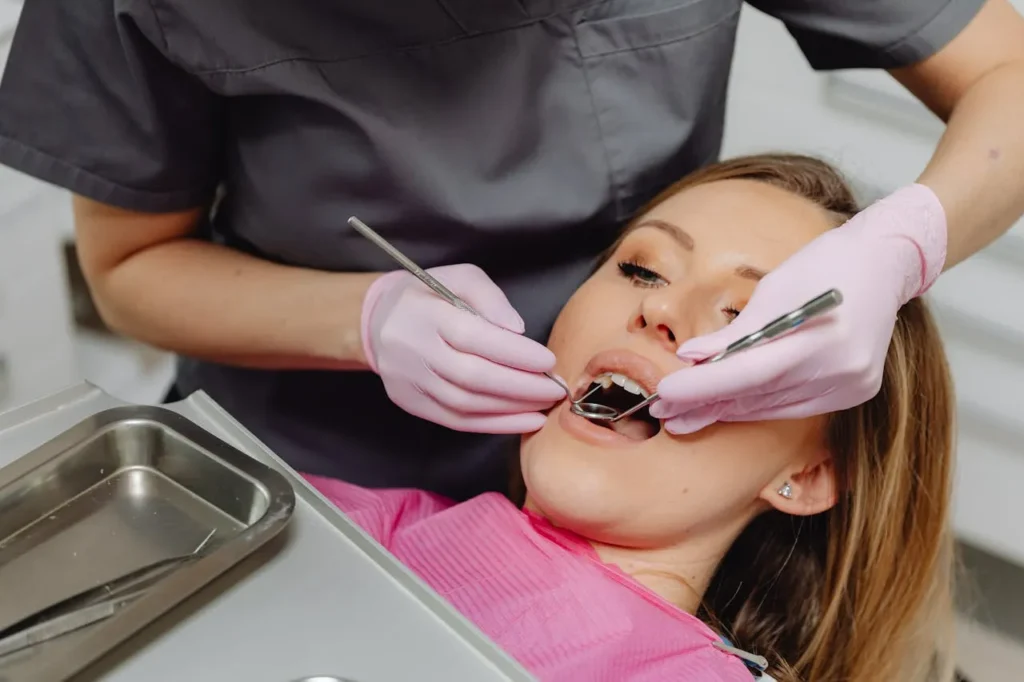
Why a dental assessment matters first
Before whitening starts, we need to understand whether there is anything in your mouth that could affect safety or the final result. If you have untreated decay, leaking fillings, gum inflammation, exposed root surfaces, or enamel wear, whitening may cause discomfort or lead to uneven results.
This is why oral health comes first. If needed, you may be advised to start with general dentistry care or professional dental hygiene support before considering cosmetic treatment.
A proper assessment also helps identify the cause of staining. Surface staining from food, drink, or smoking may respond well, while deeper internal colour changes can be less predictable.
What makes teeth whitening unsafe?
Illegal teeth whitening is a different matter entirely. Treatment offered by someone who is not appropriately registered to provide dental care can carry serious risks, particularly where there has been no proper clinical assessment.
The General Dental Council’s guidance on tooth whitening makes clear that whitening is the practice of dentistry and should only be carried out by registered professionals.
Unsafe whitening can lead to:
- gum irritation or chemical burns
- increased tooth sensitivity
- pain in teeth with underlying problems
- uneven or patchy results
- damage to soft tissues
In most cases, the issue is not whitening itself. It is how and where it is done.
What the law says about whitening in the UK
In the UK, teeth whitening is regulated to help protect patients from unsafe treatment and illegal practice.
According to the Oral Health Foundation’s explanation of whitening law and safety, over-the-counter whitening products can legally contain only very low levels of hydrogen peroxide, while higher-strength whitening products are restricted to professional dental use under UK rules.
If a treatment promises fast, dramatic results outside of those standards, it is worth questioning how safe or appropriate it really is.
Who is usually suitable for whitening?
Whitening tends to work best on healthy, natural teeth that have become darker over time due to staining or age.
In general, whitening is more likely to suit patients who have:
- healthy gums and no untreated decay
- natural teeth with surface staining
- realistic expectations about the outcome
- no significant unresolved sensitivity
- willingness to follow guidance carefully
If you have deeper discolouration, extensive restorations, or ongoing dental issues, whitening may not be the most appropriate first option until the cause has been assessed.
What whitening will not change
Whitening only affects natural tooth structure. It will not change the colour of crowns, veneers, composite bonding, or tooth-coloured fillings.
This means existing dental work may remain darker than the surrounding teeth after whitening. This is something we would discuss carefully before treatment, particularly where visible restorations are present on the front teeth.
If your goal is a more complete improvement in your smile, it may help to explore a broader plan through cosmetic dental treatment options.
| Whitening may improve | Whitening will not change |
| Natural enamel staining | Crowns |
| Age-related yellowing | Veneers |
| Surface discolouration | Composite bonding |
| Mild darkening over time | Fillings |
Common side effects to expect
Even when whitening is safe and professionally managed, some temporary side effects are normal.
Tooth sensitivity
You may notice sensitivity during or shortly after treatment, particularly with cold drinks or air. This is usually temporary and often settles once treatment is adjusted or completed.
Mild gum irritation
If whitening gel comes into contact with the gums, it can irritate them. Properly fitted trays help minimise this risk.
Uneven early results
Teeth may appear slightly patchy during treatment. This often settles as treatment progresses and the final shade stabilises, although results can vary.
What to know before treatment
Your oral health matters more than your starting shade. Whitening is generally not appropriate where there are unresolved dental problems that need addressing first.
Whitening can brighten your natural teeth, but it will not create a uniform artificial white. The final result depends on your starting point, the type of staining present, and how your teeth respond.
Results are also not permanent. Habits such as tea, coffee, red wine, and smoking will influence how long the effect lasts. Whitening is also sometimes only one part of the answer. If you are concerned about shape, spacing, worn edges, or older dental work, a more complete approach may be needed.
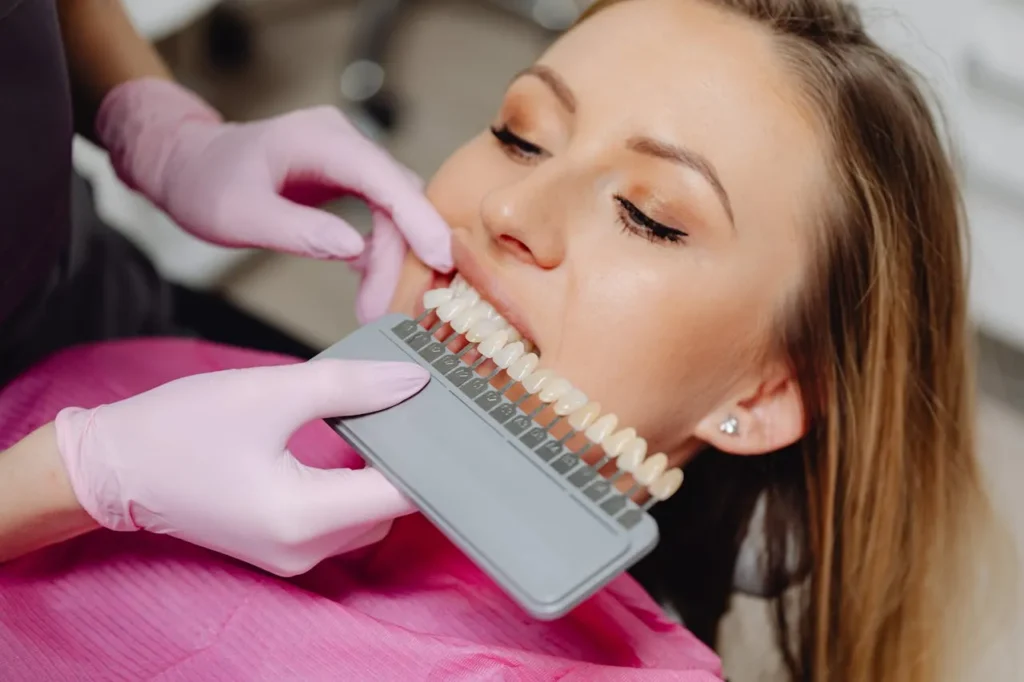
How professional whitening fits into a wider treatment plan
For many patients, whitening is one of the simplest ways to refresh the appearance of the smile without altering the natural tooth structure. It can also be a useful first step before other cosmetic treatments, especially where colour matching matters.
This is often the difference between whitening that is simply done and whitening that is properly planned. Rather than relying on guesswork, we assess your teeth, understand the type of staining present, and determine whether whitening alone is likely to achieve the result you want.
Where whitening is suitable, our professional teeth whitening treatment provides a more tailored and clinically supervised option. It allows us to plan treatment carefully, reduce the risk of sensitivity, and aim for a result that looks brighter while still appearing natural.
If you are considering whitening, a professional assessment can help clarify whether it is a suitable option for your smile. You can explore our professional teeth whitening treatment to see how the process works and what to expect.
Professional whitening vs shop-bought products
| Option | Safety | Strength | Likely outcome |
| Dentist-supervised whitening | Highest | Regulated | More predictable |
| Over-the-counter kits | Moderate | Low | Limited change |
| Unregulated online products | Uncertain | Variable | Unpredictable |
What matters in practice is not finding the strongest product, but choosing the safest and most appropriate option for your teeth.
In summary
So, is teeth whitening safe? Yes, it can be, when it is carried out properly, legally, and with professional oversight.
A dental assessment is generally the safest starting point before whitening treatment is considered. It helps clarify whether whitening is suitable, what kind of result is realistic, and whether any underlying issues need attention first.
When whitening is planned properly, the aim is usually a result that looks cleaner and brighter without looking obvious.
This article is intended as general information and should not replace a personal dental assessment. Suitability for teeth whitening depends on your oral health, existing dental work, and the cause of discolouration.