
If you have been told you need a filling, one of the first questions you might have is, “What actually happens during the appointment?”
That is a fair question. For many people, not knowing what to expect is the most stressful part. In many cases, a filling appointment is a straightforward, planned treatment. We carry it out in clear steps, and we explain what we are doing as we go.
In simple terms, a filling is done to remove damaged tooth tissue, protect what remains, and restore the tooth’s shape and function as conservatively as possible.
What a tooth filling is, and why it is used
A tooth filling is a material placed into a tooth after we remove decay or damaged tooth structure. The aim is to restore the tooth so it functions better, is easier to clean, and is less likely to worsen without treatment.
Fillings are commonly used for:
- Tooth decay (cavities)
- Worn or chipped areas
- Replacing an older filling that has failed
- Small fractures in some cases, depending on the tooth and location
If a filling is recommended, we will explain what we have found, why treatment is advised, and what to expect during the appointment.
Not every tooth problem needs a filling, and not every filling is equally urgent. Part of our job is to assess the tooth properly and explain whether the best next step is treatment now, monitoring, or a different option.
How we decide whether you need a filling
Before we do anything, we need a diagnosis. That usually happens during a check-up or a problem-focused appointment.
We may use:
- A clinical examination (mirror, light, and gentle checks where appropriate)
- A discussion about symptoms (sensitivity, pain when biting, food trapping)
- X-rays when they are clinically justified and likely to change the treatment plan
- Photos, in some cases, to help show you what we are seeing

If you want a clearer sense of the signs that often lead to treatment, our guide on how to know if you need a filling is a useful companion read.
Step by step: how tooth fillings are done
Every tooth is different, but the process usually follows a familiar pattern. A clear sequence often makes the appointment feel more predictable.
Step 1: We confirm the plan
At the start of the appointment, we confirm which tooth we are treating and what type of filling is planned. We also check whether anything has changed since your last visit.
We will usually talk through:
- What we are treating
- Why a filling is recommended
- Relevant alternatives, where appropriate
- What to expect during and after the appointment
Before treatment starts, we make sure you understand the plan so you can make an informed decision. The General Dental Council sets out the standards for valid consent.
Step 2: We numb the area, when needed
Many fillings are done with local anaesthetic, especially if the decay is deeper or the tooth is sensitive. This helps keep treatment comfortable.
We usually:
- Dry the area
- Apply numbing gel
- Gently give the local anaesthetic
- Wait for it to take effect
For very small surface fillings, anaesthetic is not always necessary. That depends on the tooth and your comfort level.
Step 3: We isolate and prepare the tooth
We need a clean, dry working area to place a filling properly. Depending on the tooth and filling type, we may use cotton rolls, suction, or other isolation methods.
Keeping the area dry matters because moisture can affect how some filling materials bond.
We then remove the decayed or damaged part of the tooth. With effective local anaesthetic, many people feel pressure or vibration rather than sharp pain. If you are uncomfortable, tell us so we can pause and reassess.
Our aim is conservative treatment, which means removing damaged tissue while preserving as much healthy tooth structure as possible.
Step 4: We clean and shape the cavity
Once the damaged area is removed, we clean and shape the space so the filling material can be placed securely.
Good preparation helps the filling:
- Seal properly
- Sit comfortably
- Cope better with normal biting forces
If the cavity is close to the nerve, we may place a protective lining before the final filling goes in.
Step 5: We place the filling material
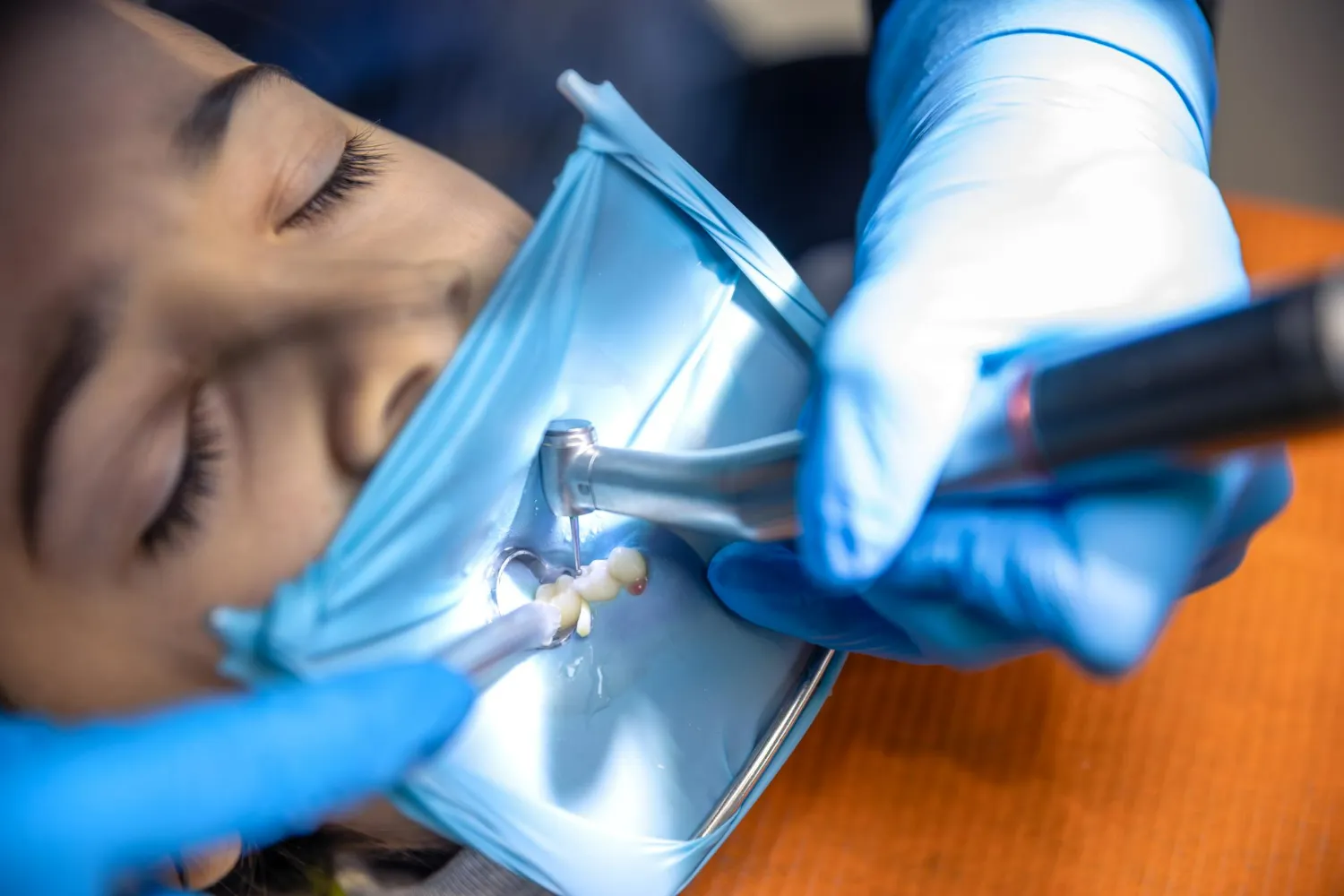
The next steps vary depending on the material used. Tooth-coloured composite fillings are commonly used, especially in visible areas, but the best option depends on the tooth, bite, and clinical findings.
If you want a broader overview of materials, our article on the different types of fillings explains the differences in plain English.
For a composite filling, the process often includes:
- Preparing the tooth surface for bonding
- Applying bonding materials
- Placing the filling in stages (layers)
- Hardening each layer with a curing light
Layering helps us build the shape gradually and manage how the material sets.
Step 6: We shape and polish the filling
Once the filling is in place, we shape and polish it so it feels natural and is easier to clean.
A well-shaped, smooth filling is generally less likely to feel rough against your tongue and is easier to keep clean as part of your routine.
Step 7: We check your bite carefully
Before the appointment finishes, we check how the filling meets the opposing tooth. You may be asked to bite on a thin coloured paper so we can spot high areas.
This matters because even a small high spot can make the tooth feel sore when biting.
We make adjustments until the bite feels right. If it feels “not quite right”, let us know before you leave, if possible, as small adjustments are often easiest to make while you are still in the chair.
If the bite feels slightly high once the numbness wears off, contact us so we can review it.
How long does a filling appointment take?
The exact time depends on the tooth, how many surfaces are involved, the filling material, and whether the cavity is straightforward or more complex.
As a general guide:
- Small fillings may take less time
- Larger or deeper fillings usually need longer
- Multiple fillings in one visit will extend the appointment
- Front tooth repairs can need extra shaping time
Treatment times vary in real practice, and a BDJ Open paper on time estimates for common dental procedures helps show why timings are not one-size-fits-all.
What to expect after a filling
It is normal to wonder what feels normal after treatment.
Common short-term effects, often normal
You may notice:
- Numbness for a few hours
- Mild tenderness around the injection site
- A different sensation when biting at first
- Temporary sensitivity to cold or pressure
It can help to avoid chewing until the numbness has worn off, as it is easier to bite your lip or cheek while the area is numb.
Mild sensitivity after a filling can improve over time, but if symptoms are worsening, severe, or not improving, contact us so we can review the tooth.
When to contact us sooner
Please contact us if you have:
- Severe pain
- Swelling
- A filling that feels very high when biting
- A filling that chips or comes out
- Ongoing sensitivity that is not improving
Fillings as part of general dentistry
A filling is not just a repair in isolation. It sits within your wider oral health plan. We also look at why the problem happened, so we can help reduce the chance of repeat treatment.
That may include reviewing:
- Cleaning technique
- Diet and snacking habits
- Fluoride support, where appropriate
- Grinding or clenching habits
- Hygiene care if gum health also needs support
This is why fillings are a core part of General Dentistry services. If you would like to understand how check-ups, prevention, and routine treatments fit together, that page is a good place to start.
How to make a filling appointment feel easier
If you feel nervous about dental treatment, you are not alone. A little preparation can help.
- Tell us if you are anxious before we start
- Ask us to explain each step as we go
- Avoid rushing to your appointment
- Let us know if you have had difficulty getting numb before
- Raise your hand if you want a pause
If anxiety is a factor for you, our article on dental anxiety and how to manage it may help you feel more prepared.
In summary
Tooth fillings are usually done in a clear sequence: diagnose the problem, numb the area if needed, remove damaged tooth tissue, place the filling, shape it, and check the bite.
The exact steps and timing vary depending on the tooth and the size of the filling, but the goal is the same, to restore the tooth comfortably and protect it for the future.
Ready to book a filling assessment?
If you have been told you may need a filling, or you have symptoms such as sensitivity or pain when biting, we can assess the tooth and talk you through the right next step. You can get in touch via our contact page.