
Dental fillings are among the most common dental treatments. Knowing your options helps you decide on comfort, longevity and cost. This guide explains the principal types of fillings, how dentists choose between them, what to expect after treatment and practical steps to keep restorations performing well.
Understanding common filling materials
Most choices balance durability, appearance, and cost.
Amalgam fillings
A silver-coloured alloy valued for reliable performance in back teeth.
- Durable under high bite forces
- Cost-effective for large posterior cavities
- Noticeable in the smile line
Composite fillings
Tooth-coloured resin with fine glass or ceramic particles that bonds to enamel and dentine.
- Highly aesthetic and conservative
- Versatile for small to medium cavities and edge repairs
- May wear faster in heavy-load areas than amalgam
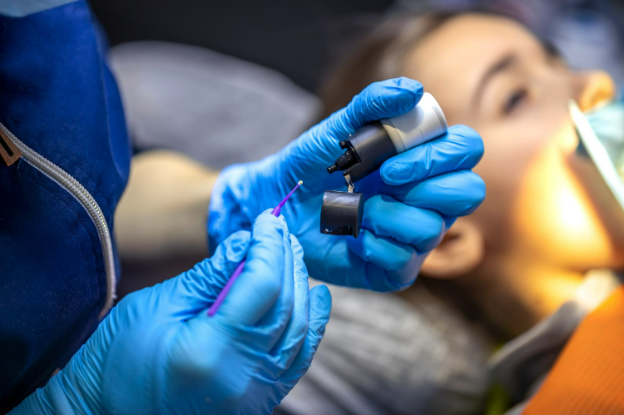
Ceramic (porcelain) fillings
Custom inlays and onlays bonded to the tooth for lifelike translucency and stain resistance.
- Natural-looking and precise fit
- Higher cost and potential chipping if overloaded
Gold restorations
Gold alloy inlays and onlays set the benchmark for longevity.
- Outstanding durability and fit
- Biocompatible and gentle to opposing enamel
- Premium cost and conspicuous colour
Glass ionomer fillings
Cement that bonds chemically and releases fluoride over time.
- Supports caries prevention
- Useful where dryness is difficult
- Less wear-resistant than composite
Categories of restorative approaches
Direct fillings
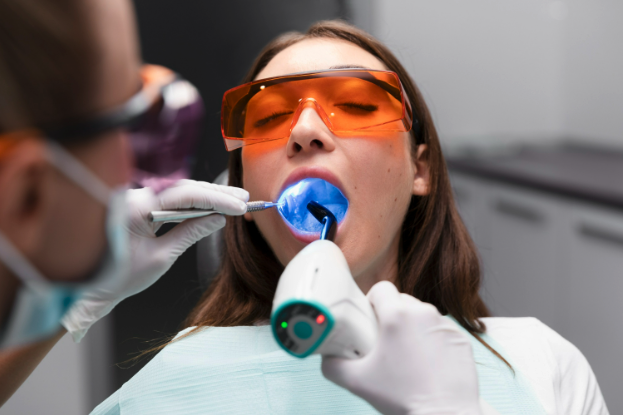
Placed and set in a single visit (amalgam, composite, glass ionomer). Best for small to moderate cavities and repairs that do not require cuspal coverage.
- One appointment
- Lower cost
- Technique-sensitive where moisture control is poor
Indirect restorations
Laboratory-made inlays and onlays (ceramic, composite or gold) are bonded at a second visit when a tooth needs extra reinforcement or a precision fit.
- Two appointments, including a trial fit
- Excellent contour and contacts
- Higher upfront cost with strong long-term performance
How dentists select between types of fillings
Key factors that shape the plan:
- Cavity size and depth: small = direct composite or glass ionomer; weakened cusps = indirect inlay/onlay
- Moisture control: composite needs a dry field; difficult isolation may favour glass ionomer or an indirect option
- Bite forces and parafunction: heavy clenching often points to gold or ceramic onlays and a night guard
- Aesthetics: front teeth and visible premolars favour composite or ceramic
- Treatment history and budget: large previous fillings or cracks push towards cuspal coverage; costs and maintenance are discussed in a written plan
For case-by-case guidance, the clinical team at Muse Dental can assess bite forces, aesthetics and budget and outline suitable options.
When to choose each restoration type
Ideal scenarios for direct fillings
Composite suits most small to medium cavities in visible areas because it bonds and blends well. Glass ionomer is helpful for root surface repairs and where fluoride release is desirable. Amalgam remains dependable for large posterior cavities where the load is high.
Selecting inlays and onlays
Inlays restore cavities within the cusps. Onlays extend over weakened cusps to protect them. Both can be finished in ceramic, composite or gold to match clinical priorities and are shaped precisely to restore contact points and reduce food trapping.
Managing post-treatment sensitivity
Mild sensitivity to temperature and pressure is common once the local anaesthetic wears off and usually settles. To reduce discomfort:
- Use a toothpaste for sensitive teeth containing potassium nitrate.
- Avoid very hot or cold food and drink for the first 48 hours.
- Brush gently with a soft toothbrush and non-abrasive fluoride toothpaste.
If sensitivity persists beyond two weeks or worsens, arrange a review. For more detailed explanations of causes and remedies, see this guidance on sensitive teeth after a filling.
Sedation options for dental anxiety
Anxiety is common and should not be a barrier to care. Options include:
- Nitrous oxide (laughing gas) for light relaxation with fast recovery
- Oral sedatives taken before the appointment for a deeper sense of calm
- Intravenous sedation for longer sessions requiring stronger relaxation
Discuss medical history, medicines and previous experiences so the safest option can be selected.
Recognising the need for replacement
Even high-quality restorations eventually need renewal due to wear or secondary decay. Act early to avoid complex treatment.
- Dark margins or hairline cracks around the edges
- Persistent pain when biting or sensitivity to temperature
- Roughness or uneven contours felt by the tongue
- Food trapping at the filling despite careful cleaning
A routine general dentistry review can identify marginal breakdown early.
Dietary impact on lifespan
Habits influence longevity. Simple changes help:
- Rinse with water after meals to help neutralise acids
- Limit sugary snacks and soft drinks between meals
- Avoid very hard or sticky foods that can crack or pull at restorations
- Include high-fibre fruit and vegetables to stimulate saliva
Regular professional cleaning supports these steps. Consider scheduling a dental hygiene appointment to reinforce plaque control around restoration margins.
Biocompatible options for allergies
Allergy to dental materials is uncommon but important if you have a history of skin reactions or metal sensitivity. Discuss testing and alternatives:
- Consider patch testing when a metal allergy is suspected
- Select composite or glass ionomer if heavy metals are to be avoided
- Choose ceramic restorations when biocompatibility and appearance are priorities
Financing your treatment
Cost should not delay necessary care. Typical options:
- Private dental insurance covering a proportion of fees
- Health cash plans contributing to routine dentistry
- Practice finance that spreads costs over monthly instalments
Request an itemised plan so you know what is included before treatment begins.
Benefits of same-day CAD/CAM restorations
Digital workflows improve comfort and speed for suitable cases. In a single visit, the tooth can be scanned and a restoration made on-site, limiting temporaries.
- Comfortable digital scans instead of traditional impressions
- On-site milling of ceramic inlays, onlays or crowns within the same visit
- Immediate bonding without a temporary restoration
These systems can achieve fit and durability comparable to laboratory options when planned and placed correctly. If you are comparing ceramic onlays with implant-supported solutions for heavily damaged teeth, explore dental implants.
Eco-friendly filling alternatives
Ask about environmental protocols and material choices. Many clinics separate and recycle amalgam waste and offer metal-free alternatives where appropriate. Bioactive glass ionomers, which release fluoride and bond chemically to tooth structure, are another option in non-load-bearing areas.
Aftercare at home
The first week sets the tone for long-term success. Chew on the opposite side until numbness fades, and introduce firm foods gradually. If your bite feels high once anaesthesia wears off, call the practice for a quick adjustment; leaving an uneven contact can lead to sensitivity or crack lines.
- Brush gently twice daily with a fluoride toothpaste
- Floss around the restoration to keep the margins plaque-free
- Use a night guard if advised, especially for clenching or grinding
Final thoughts
By understanding the main types of fillings, including direct amalgam, composite or glass ionomer, and indirect inlay, onlay or laboratory-crafted restorations, you can choose a solution that balances appearance, function and cost. Good daily care and regular check-ups keep restorations performing well. For a clear summary of common dental treatments and aftercare, see the NHS overview of dental treatments (fillings section).
Ready to discuss your options? Book a consultation at Muse Dental to review the types of fillings suited to your needs and plan comfortable, long-lasting care.